
Body
Tummy Tuck (Abdominoplasty)
Removes excess abdominal skin and fat, tightens the abdominal muscles, and reshapes the contour. Common after pregnancy, significant weight loss, or aging.


Overview
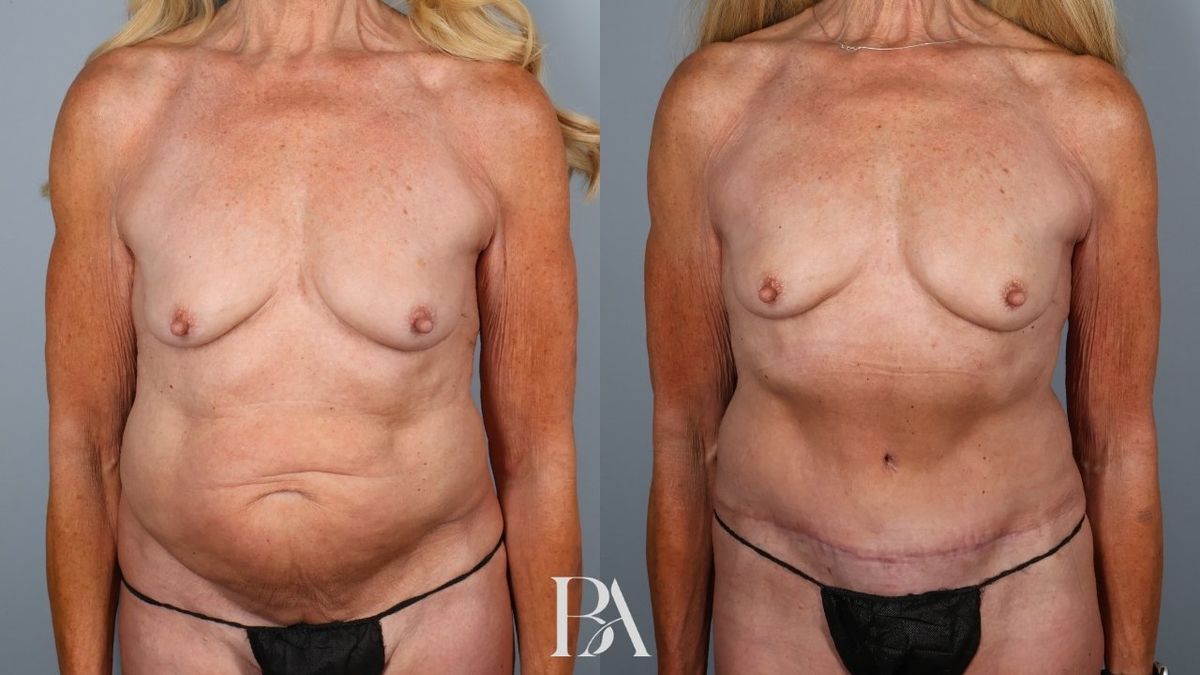
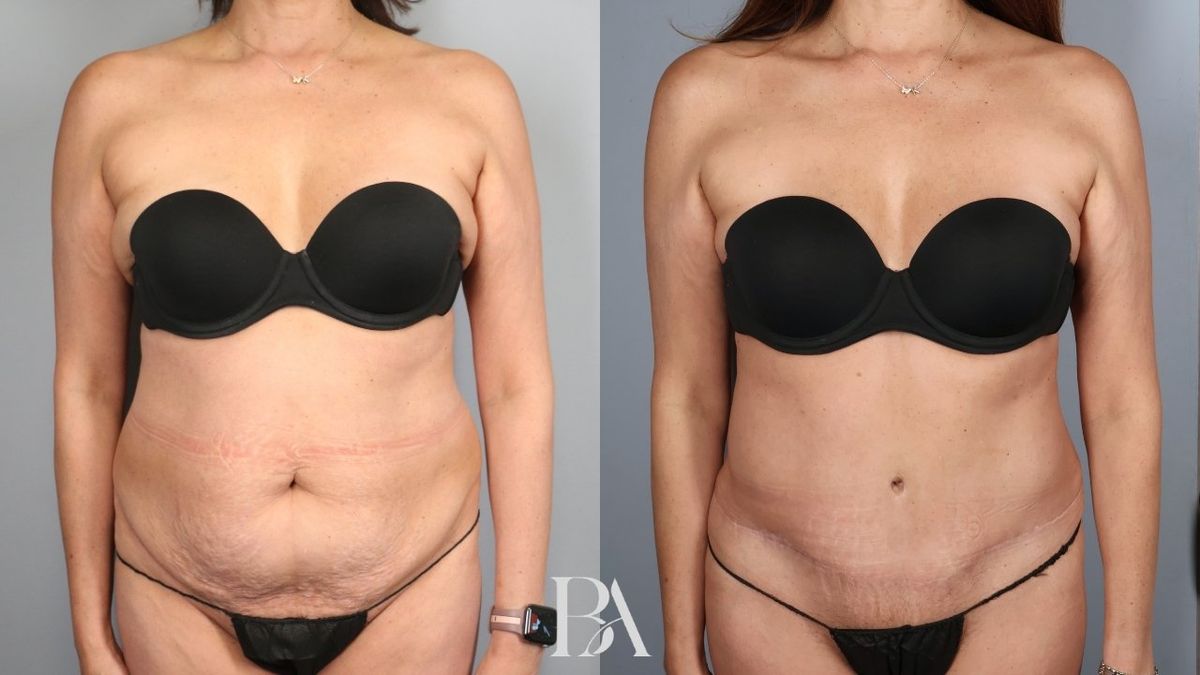
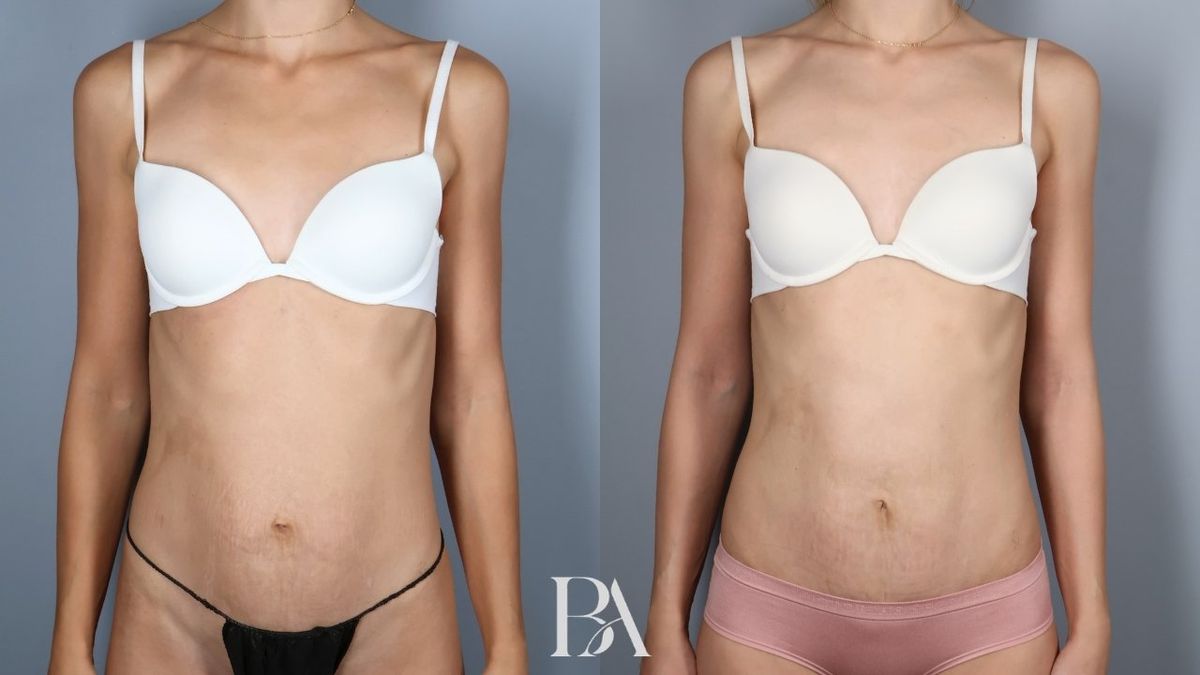
Abdominoplasty addresses three components of the abdomen: excess skin, excess fat, and laxity or separation of the abdominal muscles (diastasis recti). The procedure removes redundant skin from below the umbilicus, repositions the umbilicus on the new abdominal wall, and tightens the rectus muscles with a permanent suture repair. Many cases also benefit from concurrent liposuction of the flanks. The incision is placed low so it sits below typical underwear and swimsuit lines.
Who it's for
The right candidate.
Patients with excess abdominal skin, persistent abdominal fat, or muscle separation (diastasis recti) — most commonly after pregnancy, significant weight loss, or aging. Patients should be at a stable weight and finished with childbearing.
Technique
How it's done.
Excess skin from below the umbilicus is removed, the abdominal muscles are tightened with a permanent suture repair, the umbilicus is repositioned on the new abdominal wall, and the incision is closed in layers. Liposuction of the flanks is commonly added.
Where this happens
Our own surgery center.
One roof, one team.
Dr. Azadgoli operates at The Practice Healthcare's fully independent, on-property ambulatory surgery center — a Medicare-certified, physician-led facility recognized by Newsweek as one of California's top centers for independent, privately owned surgery.
Consultation, surgery, aftercare, and recovery all happen in one building, with the same team. No outside hospital. No new staff to meet the day of surgery. The same person who checked you in at the consult is there when you wake up.

What to expect
From consultation to recovery.
Outpatient or one-night stay under general anesthesia. Drains for one to two weeks. Most patients return to desk work at two to three weeks, exercise at six to eight weeks. The scar is placed low so it sits below typical underwear and swimsuit lines.

Insurance & coverage
Patient Advocacy handles the paperwork.
Our advocacy team verifies benefits, pursues pre-authorizations, and appeals denials. You don't navigate insurance on your own.
Cosmetic abdominoplasty is not covered by insurance. Functional cases involving severe diastasis recti with hernia or significant post-bariatric skin issues can occasionally qualify. Our Patient Advocacy team reviews your case for any applicable coverage and provides transparent pricing for the cosmetic portion.
How we work with insurance
- 1 Verification by expertsOur advocacy team verifies your benefits before any procedure — so we know exactly what is and is not covered.
- 2 Patient advocacy & follow-throughWe aggressively pursue pre-authorizations, appeal denials when appropriate, and hold carriers accountable to their commitments.
- 3 Financial transparencyYou receive a clear written estimate of potential out-of-pocket costs. No surprises on the day of surgery.
- 4 Collaboration with carriersOur team handles documentation and communication directly with your insurance company.
- 5 Options & supportIf a procedure is not covered, we walk you through cash-pay options, financing, and other pathways to care.
FAQ
Common questions.
Will the scar be visible?
There is a horizontal scar across the lower abdomen and a small scar around the umbilicus. Both fade but remain visible. The horizontal scar is placed low so it sits below clothing.
Can I get pregnant after a tummy tuck?
Pregnancy is possible but not recommended — the muscle repair will likely separate again. Patients are advised to be finished with childbearing before this procedure.
Is this the same as liposuction?
No. Liposuction removes fat. A tummy tuck removes skin and tightens muscle. The two are often combined when both are needed, but they address different problems.
Will insurance cover it?
Generally no for cosmetic tummy tucks. Functional cases involving severe diastasis with herniation or significant skin issues after weight loss can sometimes qualify. Our advocacy team reviews your case for any applicable coverage.
What's the difference between a mini and a full tummy tuck?
Full tummy tuck addresses the entire abdomen including muscle repair above and below the umbilicus. Mini addresses only below the umbilicus and does not move the belly button. Mini is appropriate for limited skin excess without significant muscle separation.
Will I have a flat stomach?
Flatter, yes. The skin and muscle correction is significant. Maintaining a flat result depends on stable weight and avoiding future pregnancies.
How long is the scar?
From hip to hip, placed low so it sits below typical underwear and swimsuit lines. The exact length depends on how much skin needs to be removed.
Ready to discuss tummy tuck (abdominoplasty)?
Schedule a consultation with Dr. Azadgoli and her team to explore your options.
Request a consultation