
Breast
Implant Removal and Replacement
Removes existing breast implants and replaces them in the same operation — to change size, switch implant type, or reposition the implant to a different plane. Distinct from removal alone and from capsular contracture surgery.


Overview
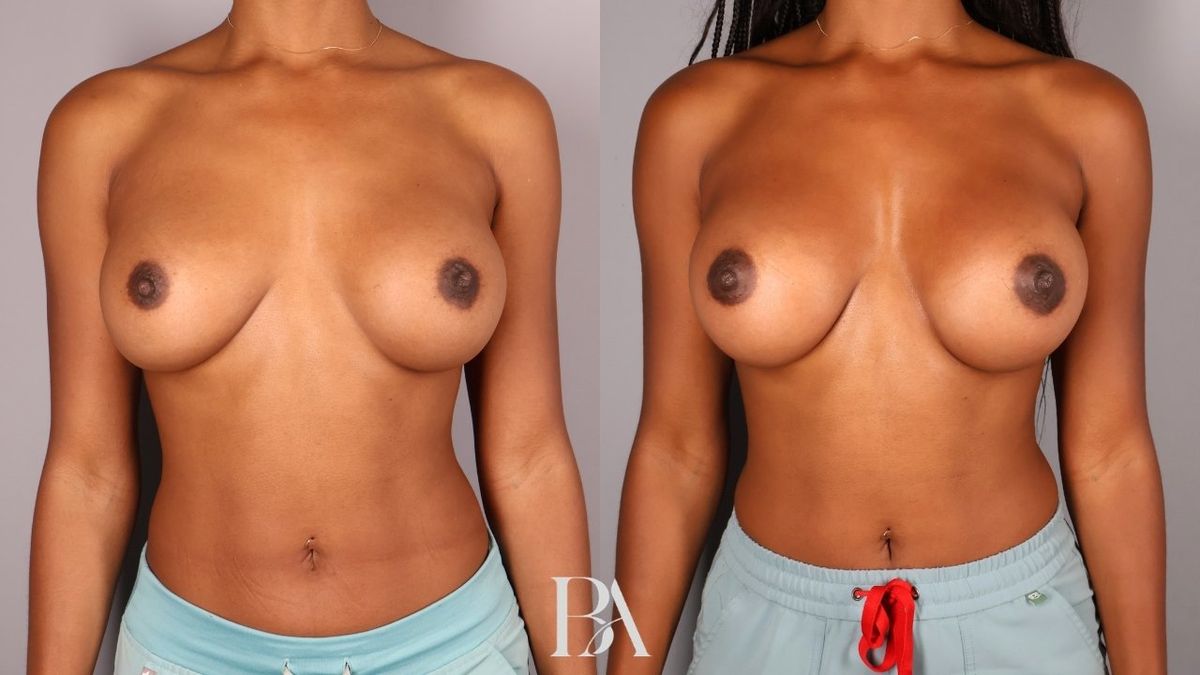
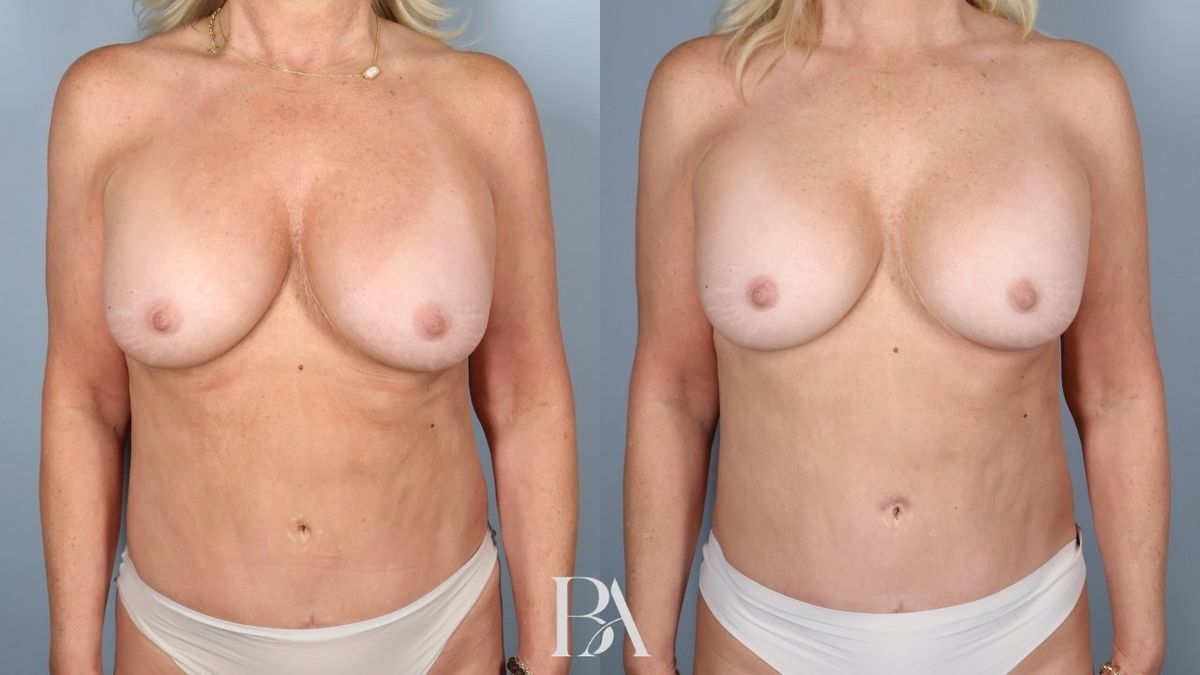
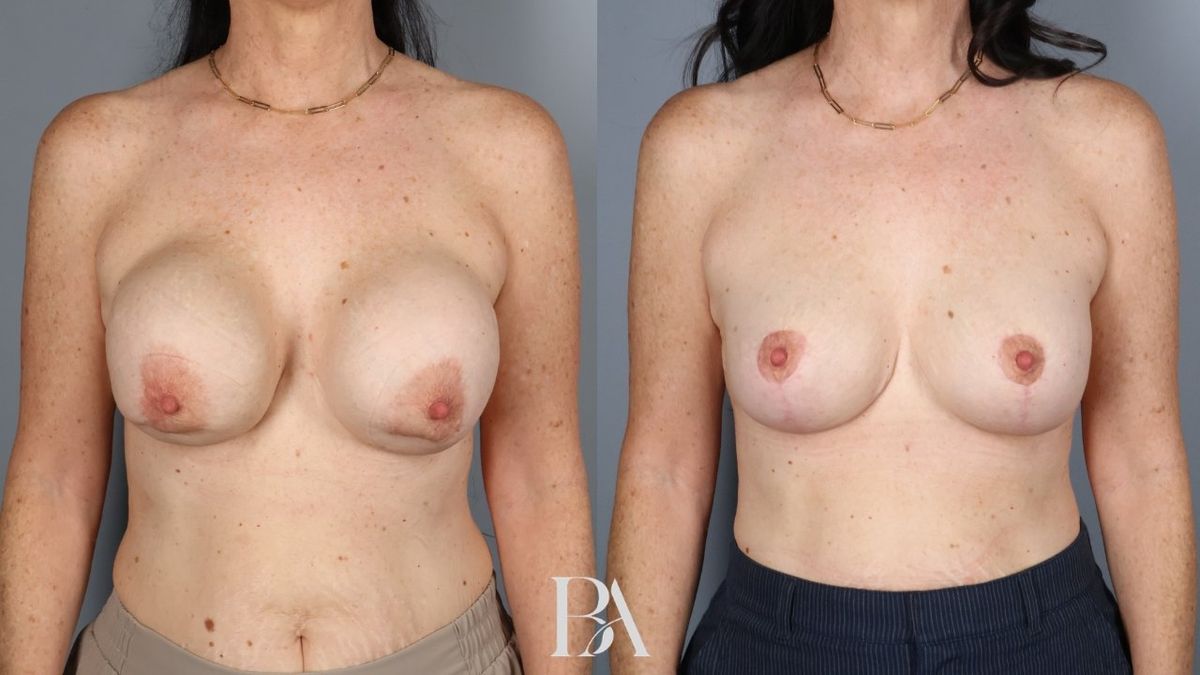
Implant removal and replacement exchanges existing breast implants for new ones in a single operation. Patients choose it to change size, switch from saline to silicone or the reverse, or move the implant to a different tissue plane, for example repositioning from a subpectoral to a pre-pectoral position. The existing capsule is addressed as needed at the same time. It differs from implant removal alone, where no new implant is placed, and from capsular contracture correction, which treats a specific scar-tissue problem.
Who it's for
The right candidate.
Patients with existing breast implants who want to change size, switch implant type (saline to silicone or the reverse), reposition the implant to a different plane, or address an aging implant. It is distinct from removal alone, where no new implant is placed.
Technique
How it's done.
The existing implant is removed and a new one placed in the same operation. The capsule around the old implant is addressed as needed — left in place, partially removed, or fully removed — depending on its condition. When the goal includes repositioning, the pocket is moved, for example from a subpectoral to a pre-pectoral plane. A lift can be added if the breast skin has stretched.
Where this happens
Our own surgery center.
One roof, one team.
Dr. Azadgoli operates at The Practice Healthcare's fully independent, on-property ambulatory surgery center — a Medicare-certified, physician-led facility recognized by Newsweek as one of California's top centers for independent, privately owned surgery.
Consultation, surgery, aftercare, and recovery all happen in one building, with the same team. No outside hospital. No new staff to meet the day of surgery. The same person who checked you in at the consult is there when you wake up.

What to expect
From consultation to recovery.
Outpatient surgery. A compression bra is worn for four to six weeks. Most patients are back to desk work in one week and to full activity by four to six weeks. The new implant settles into position over the first few months.

Insurance & coverage
Patient Advocacy handles the paperwork.
Our advocacy team verifies benefits, pursues pre-authorizations, and appeals denials. You don't navigate insurance on your own.
Cosmetic procedures are generally not covered by insurance. For reconstructive or medically necessary work, our advocacy team verifies your benefits and presents the out-of-pocket estimate before anything is scheduled.
How we work with insurance
- 1 Verification by expertsOur advocacy team verifies your benefits before any procedure — so we know exactly what is and is not covered.
- 2 Patient advocacy & follow-throughWe aggressively pursue pre-authorizations, appeal denials when appropriate, and hold carriers accountable to their commitments.
- 3 Financial transparencyYou receive a clear written estimate of potential out-of-pocket costs. No surprises on the day of surgery.
- 4 Collaboration with carriersOur team handles documentation and communication directly with your insurance company.
- 5 Options & supportIf a procedure is not covered, we walk you through cash-pay options, financing, and other pathways to care.
FAQ
Common questions.
Why replace rather than just remove my implants?
Replacement keeps breast volume and shape while updating the implant — a new size, a different type, or a better position. Removal alone (explant) is the right choice for patients who want their implants out without replacement.
Can the implant plane be changed?
Yes. Moving an implant from under the muscle to above it (pre-pectoral), or the reverse, is a common goal of replacement. Pre-pectoral repositioning can reduce animation distortion and is often more comfortable.
Can I get a lift at the same time?
Often, yes. If the breast skin has stretched, a lift combined with the new implant restores both position and shape in one operation. Whether to combine or stage is decided based on skin quality.
Do I need my old capsule removed?
Not always. A healthy, thin capsule can be left in place. A thickened or contracted capsule is partially or fully removed at the same operation. The decision is made based on its condition at surgery.
How do I choose a new implant size or type?
Sizing is planned in consultation based on your frame, existing tissue, and goals. Switching from saline to silicone, or changing profile, is part of that discussion.
How long do implants last?
Implants are not lifetime devices. Many are exchanged after ten to fifteen years, or sooner if there is a concern such as rupture or contracture. Replacement is a routine, planned procedure.
Ready to discuss implant removal and replacement?
Schedule a consultation with Dr. Azadgoli and her team to explore your options.
Request a consultation