
Breast
Direct-to-Implant Reconstruction
Single-stage reconstruction that places the permanent implant at the time of mastectomy, without a tissue expander. Appropriate for patients with an adequate skin envelope and well-perfused mastectomy flaps.


Overview
Direct-to-implant (DTI) reconstruction completes the reconstruction in one operation. The permanent implant is placed at the same time as the mastectomy, avoiding the staged expansion that a tissue-expander approach requires. It suits patients with an adequate skin envelope and well-perfused mastectomy flaps, and often uses acellular dermal matrix or a pre-pectoral plane for support. Candidacy depends on the mastectomy pattern, skin quality, and the size the patient wants. The operation is performed at an in-network facility with insurance coordination handled by her team.
Who it's for
The right candidate.
Patients undergoing mastectomy who have an adequate skin envelope and well-perfused mastectomy flaps and want to complete reconstruction in a single operation rather than through staged tissue expansion. Skin quality, breast size, and the mastectomy pattern determine candidacy, and that assessment is made together with the breast surgeon.
Technique
How it's done.
The permanent implant is placed at the same operation as the mastectomy, most often in a pre-pectoral plane with acellular dermal matrix for support and coverage. A single-stage result depends on healthy, well-perfused skin flaps. Dr. Azadgoli coordinates closely with the breast surgeon on flap quality and pocket design during the operation.
Where this happens
Our own surgery center.
One roof, one team.
Dr. Azadgoli operates at The Practice Healthcare's fully independent, on-property ambulatory surgery center — a Medicare-certified, physician-led facility recognized by Newsweek as one of California's top centers for independent, privately owned surgery.
Consultation, surgery, aftercare, and recovery all happen in one building, with the same team. No outside hospital. No new staff to meet the day of surgery. The same person who checked you in at the consult is there when you wake up.

What to expect
From consultation to recovery.
An overnight stay is typical. Drains stay in for one to two weeks. A compression bra is worn for six weeks. Most patients are back to desk work in two to three weeks and to full activity by six. The reconstructed breast continues to settle over the first few months.

Patient results
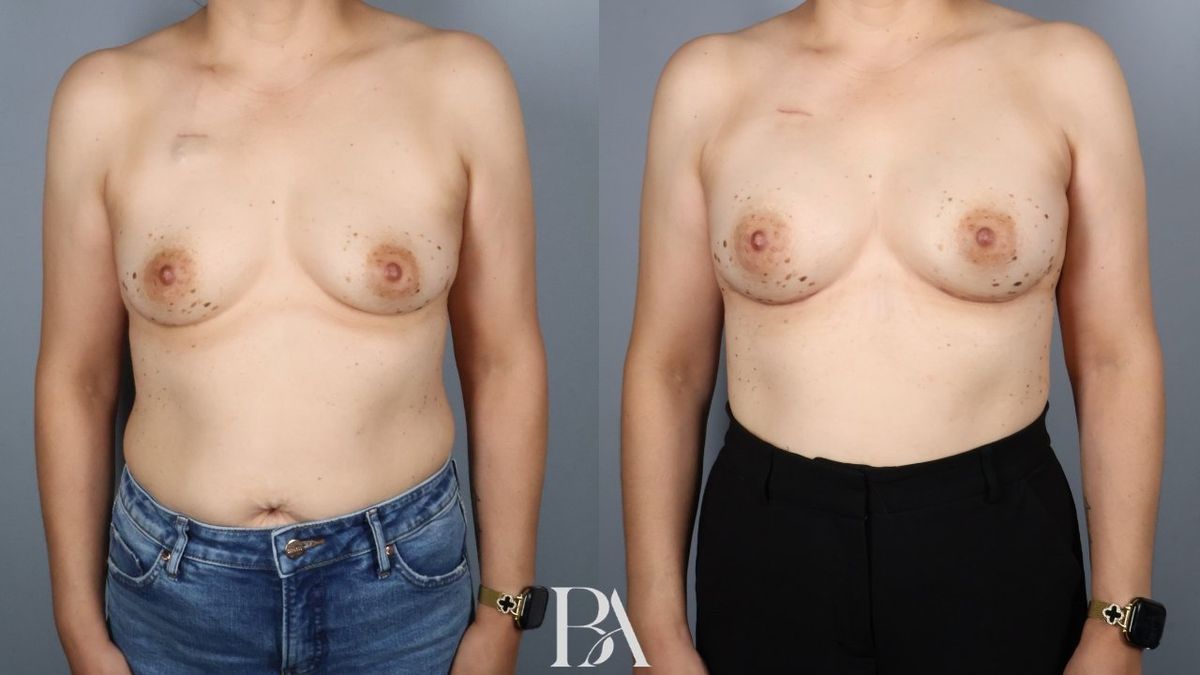
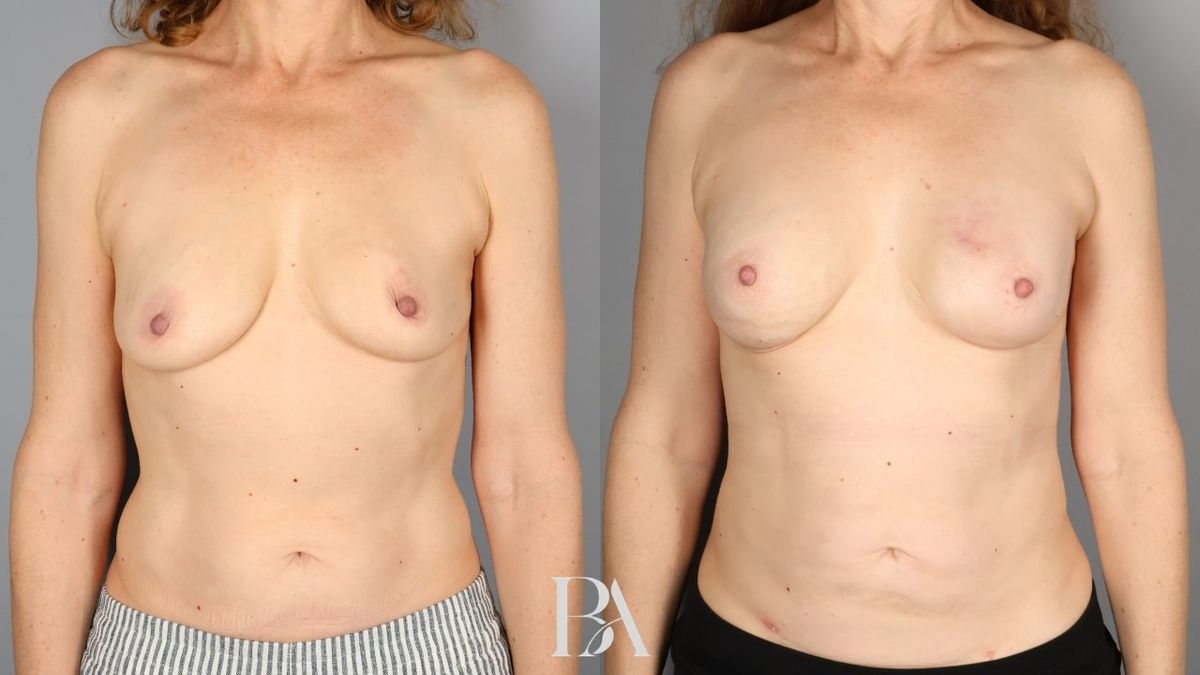
Real cases.
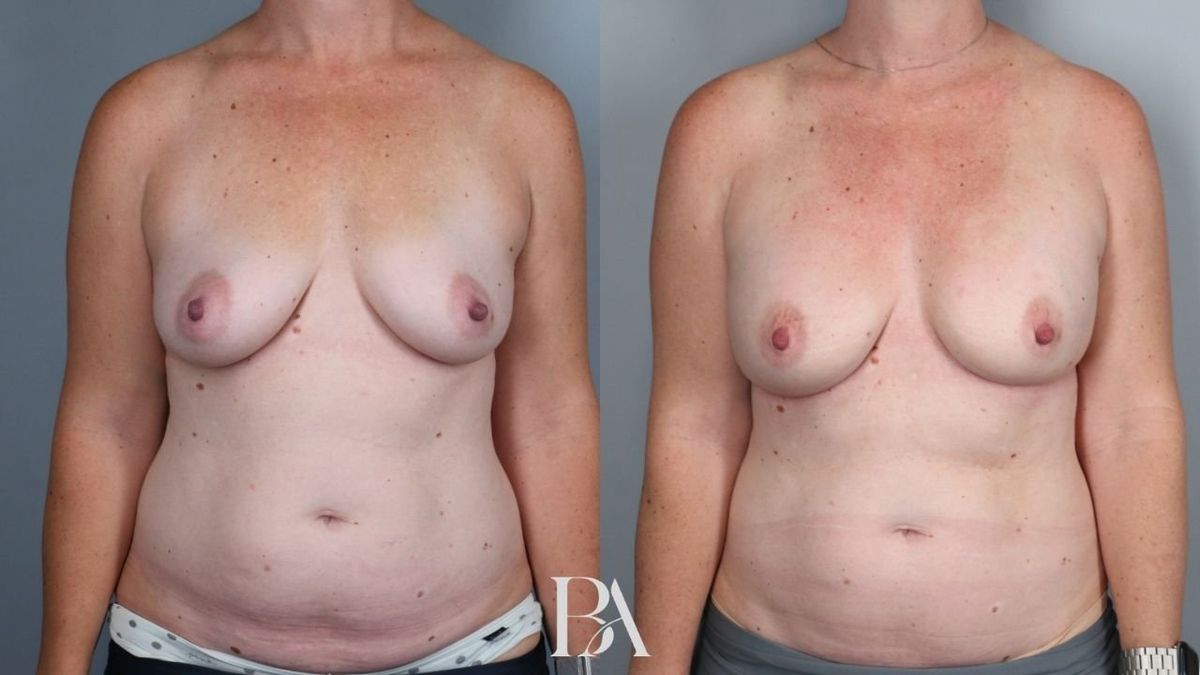
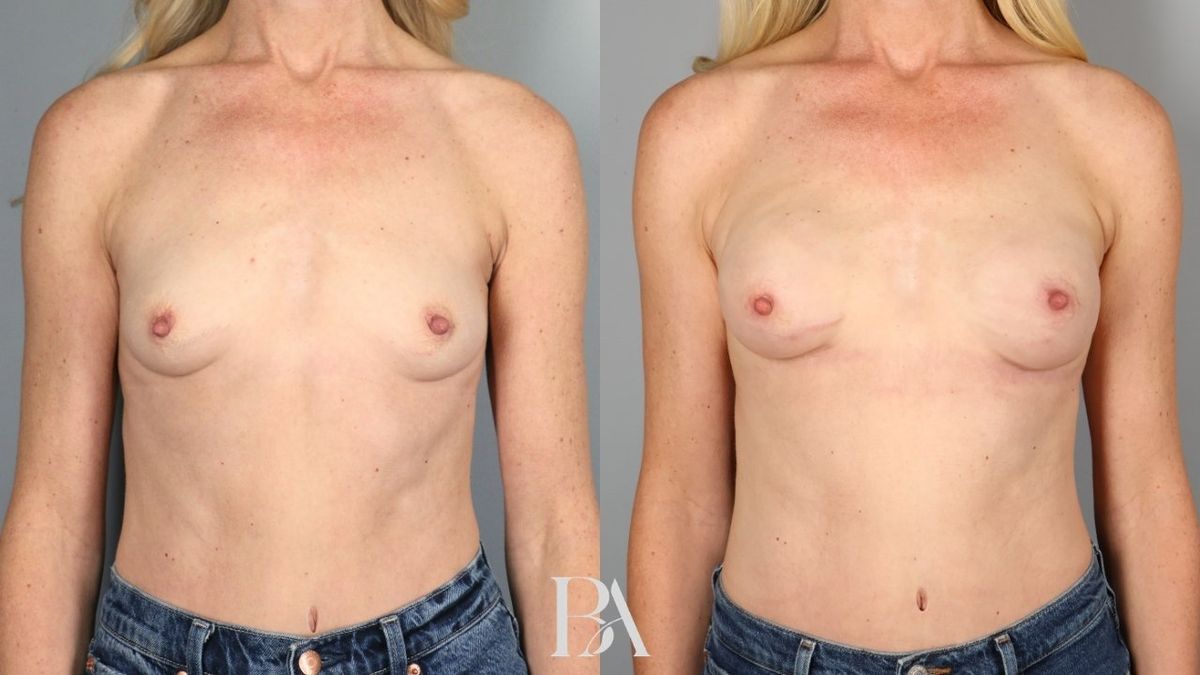
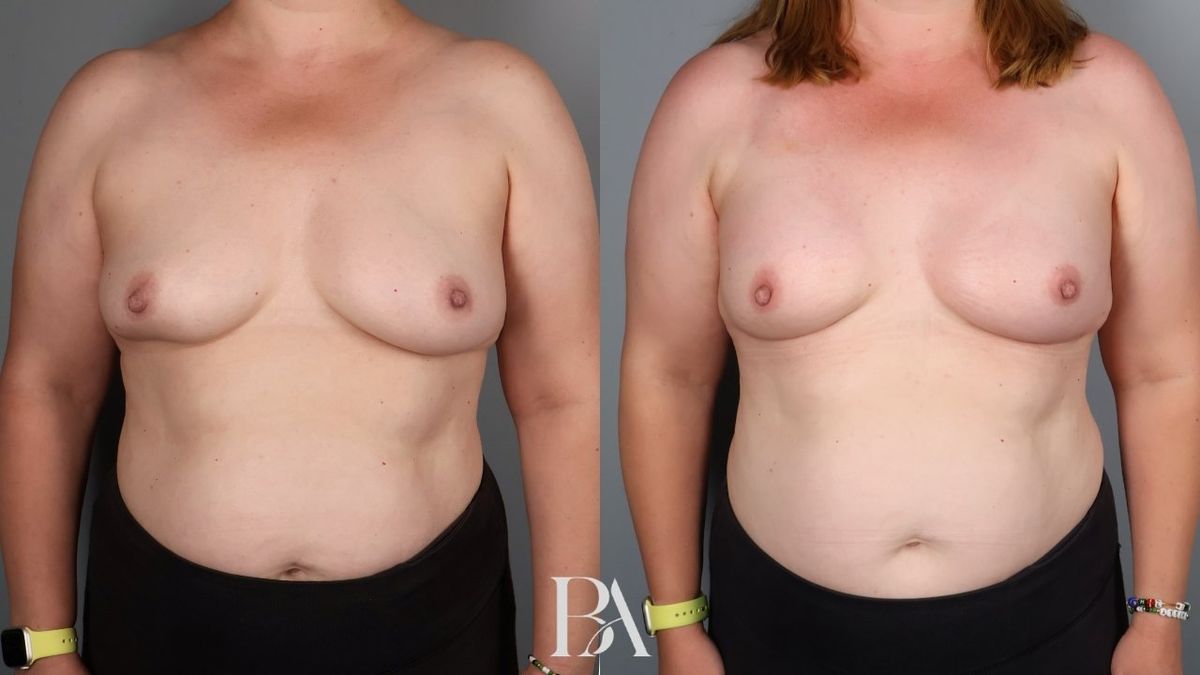
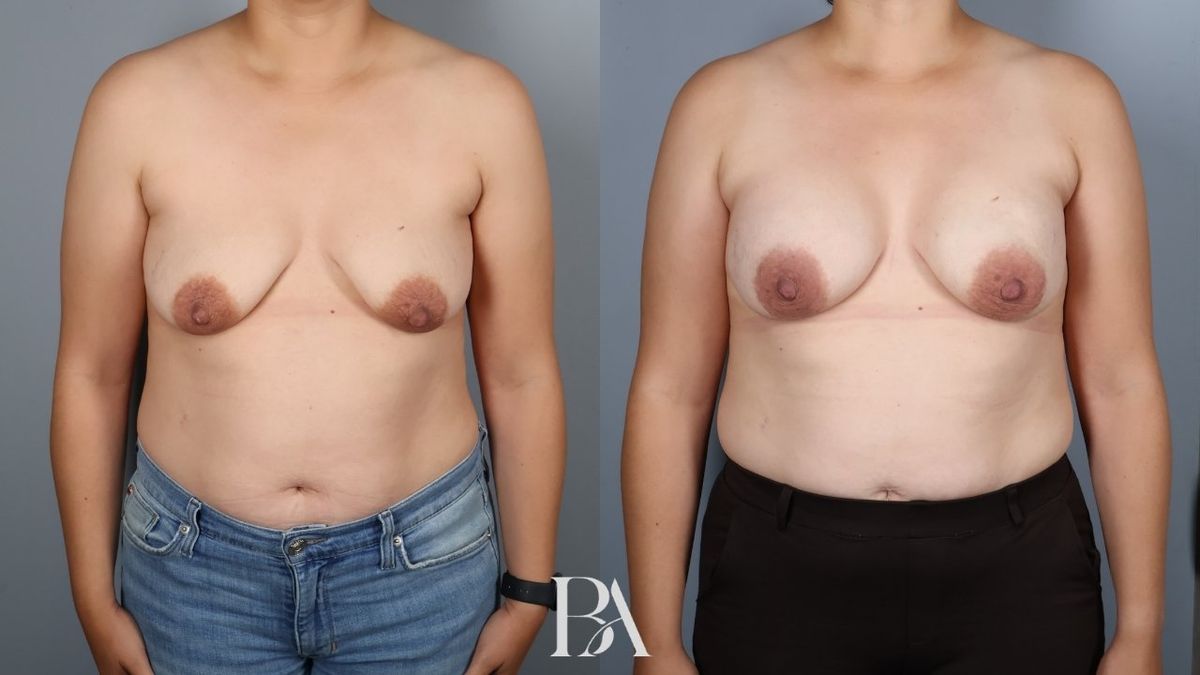
Insurance & coverage
Patient Advocacy handles the paperwork.
Our advocacy team verifies benefits, pursues pre-authorizations, and appeals denials. You don't navigate insurance on your own.
Cosmetic procedures are generally not covered by insurance. For reconstructive or medically necessary work, our advocacy team verifies your benefits and presents the out-of-pocket estimate before anything is scheduled.
How we work with insurance
- 1 Verification by expertsOur advocacy team verifies your benefits before any procedure — so we know exactly what is and is not covered.
- 2 Patient advocacy & follow-throughWe aggressively pursue pre-authorizations, appeal denials when appropriate, and hold carriers accountable to their commitments.
- 3 Financial transparencyYou receive a clear written estimate of potential out-of-pocket costs. No surprises on the day of surgery.
- 4 Collaboration with carriersOur team handles documentation and communication directly with your insurance company.
- 5 Options & supportIf a procedure is not covered, we walk you through cash-pay options, financing, and other pathways to care.
FAQ
Common questions.
Is direct-to-implant reconstruction done in one operation?
The breast mound is built at the same operation as the mastectomy, so there is no separate expansion phase. Some patients later choose minor revisions or nipple reconstruction, but the reconstruction itself is single-stage.
Am I a candidate for DTI?
It depends on the mastectomy pattern, your skin quality, and how well the skin flaps are perfused at surgery. Patients with a healthy skin envelope and smaller-to-moderate breast size are the best candidates, and the decision is made with the breast surgeon.
Where is the implant placed?
Most often in the pre-pectoral plane, above the muscle, with acellular dermal matrix for support. This avoids disrupting the chest muscle and tends to be more comfortable in recovery than sub-muscular placement.
Will my reconstruction be covered by insurance?
Breast reconstruction after mastectomy is covered under federal law, including surgery on the opposite breast for symmetry. Dr. Azadgoli's team handles pre-authorization and coordination with the oncology team.
Can I have nipple reconstruction later?
Yes. Nipple reconstruction and areola tattooing are done as a later, optional step once the reconstructed breast has settled, typically a few months after the initial operation.
What if I am not a candidate for single-stage reconstruction?
If the skin envelope or flap perfusion is not adequate, a staged approach with a tissue expander is the safer route. That decision is sometimes made during the operation based on how the flaps look.
Related procedures
Ready to discuss direct-to-implant reconstruction?
Schedule a consultation with Dr. Azadgoli and her team to explore your options.
Request a consultation