
Breast
Breast Reduction
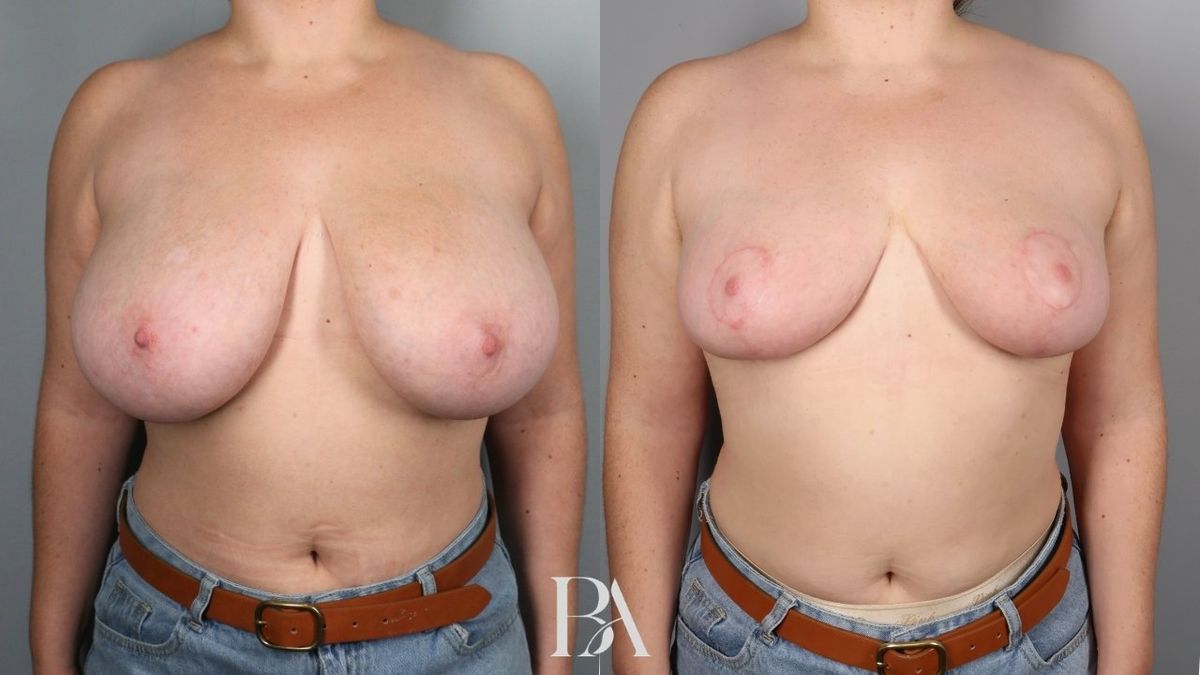
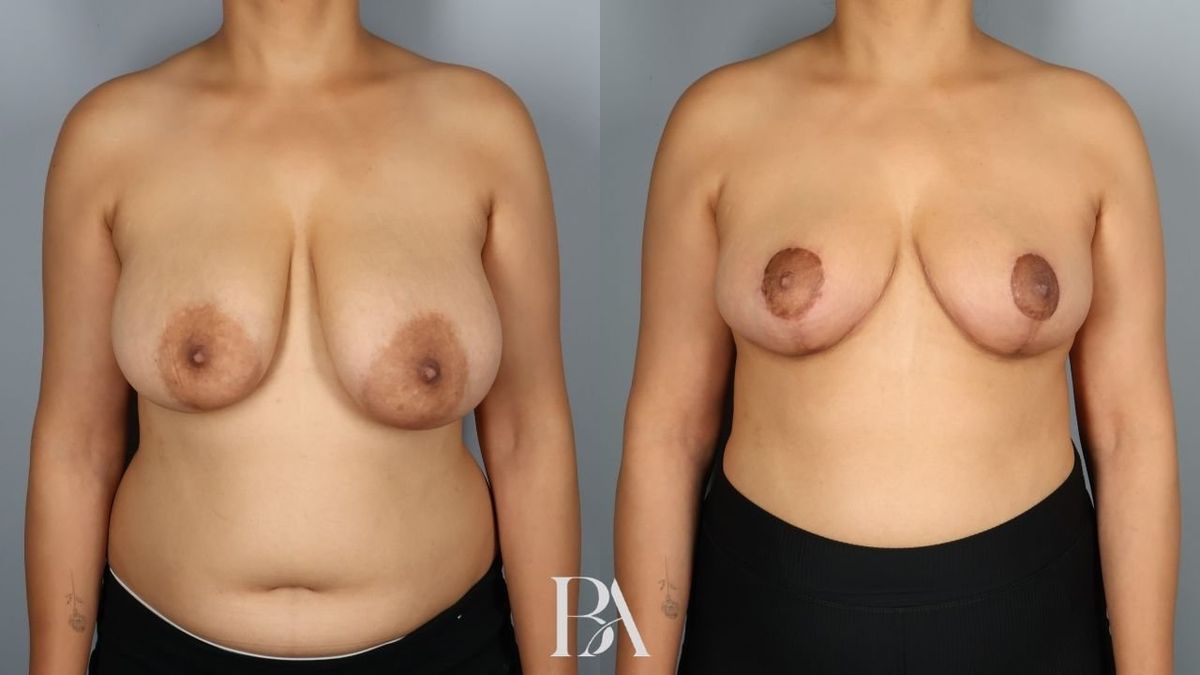
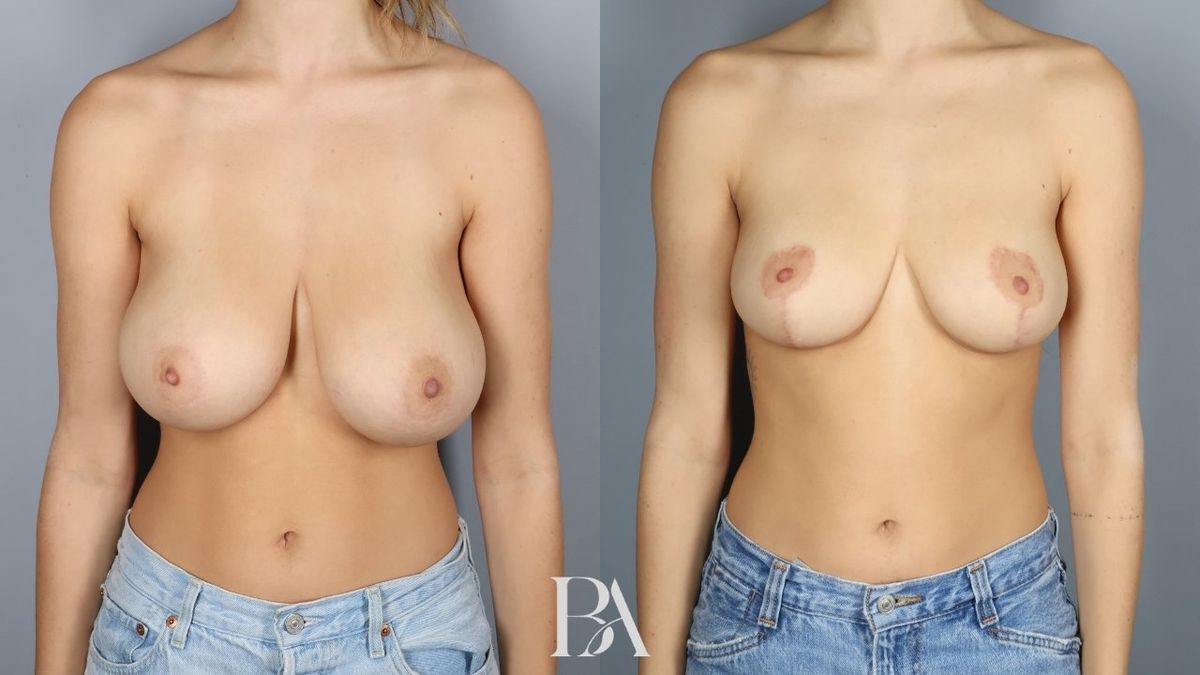
Reduces breast size by removing breast tissue, fat, and skin. Often addresses physical symptoms (back, neck, and shoulder pain) in addition to changing the breast shape.


Overview
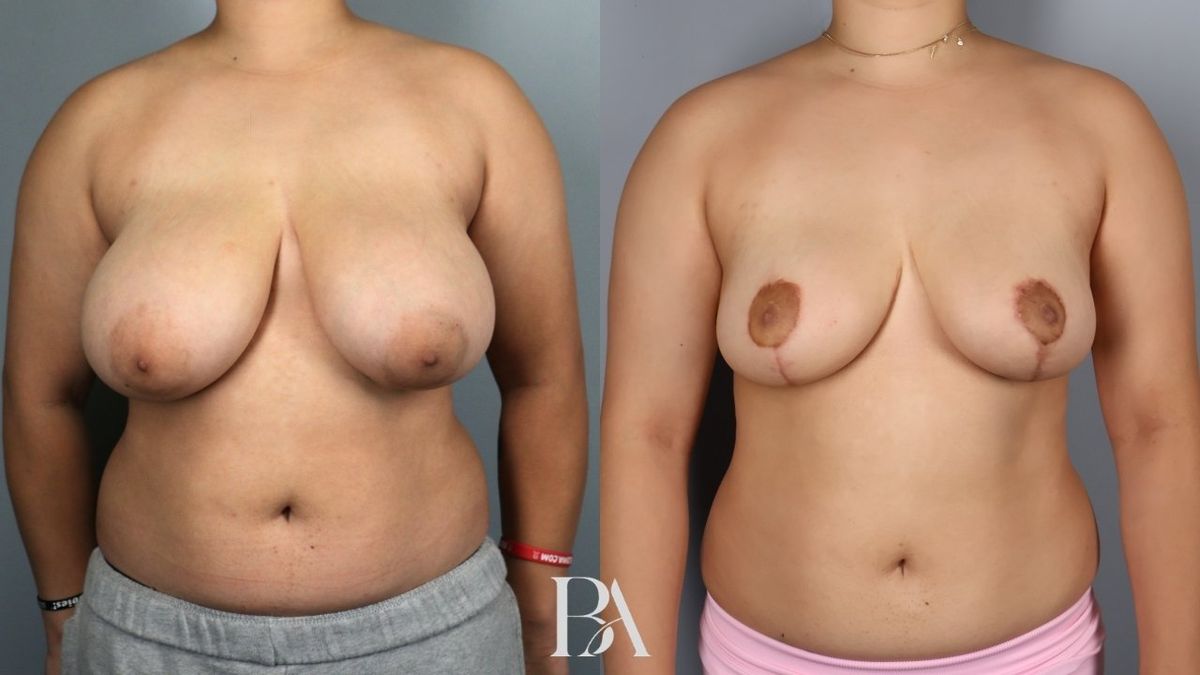
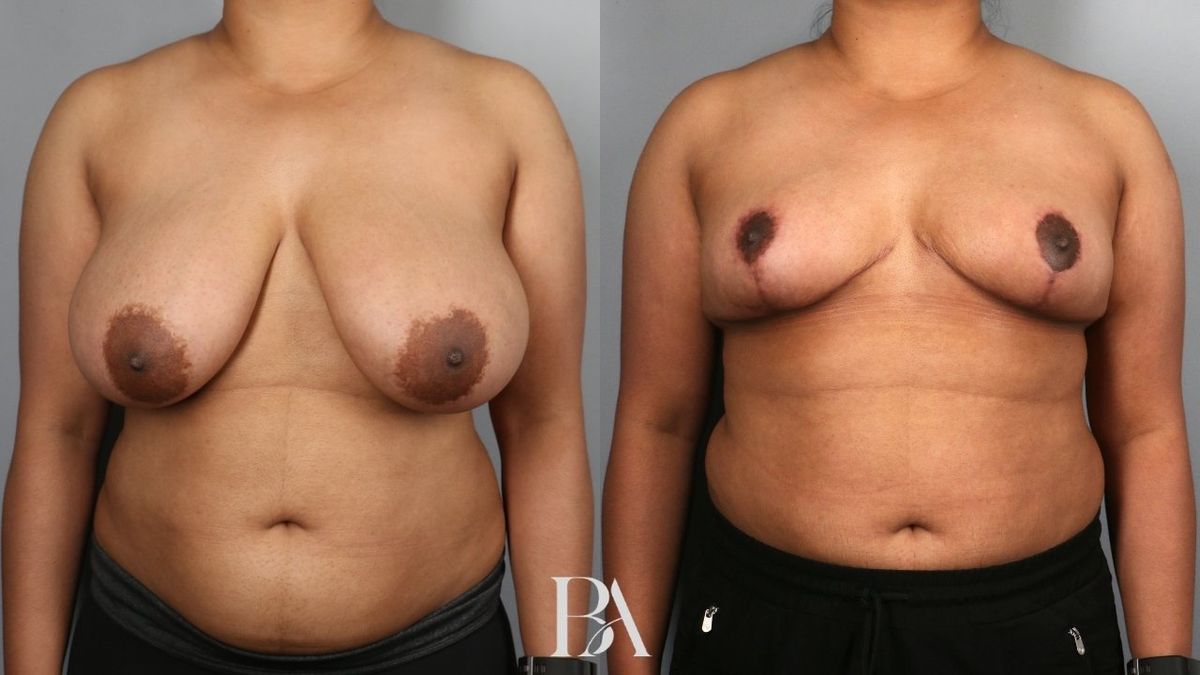
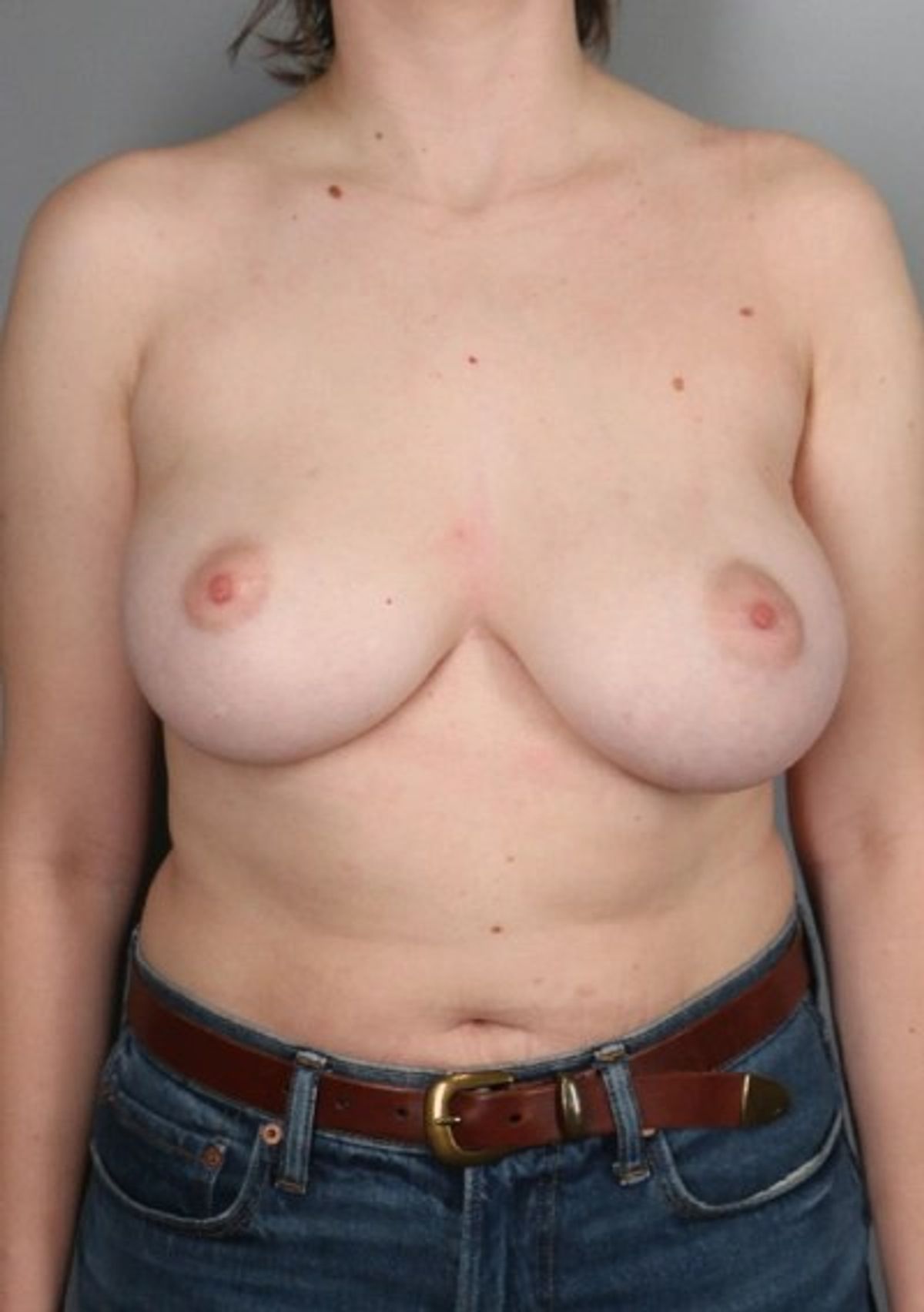
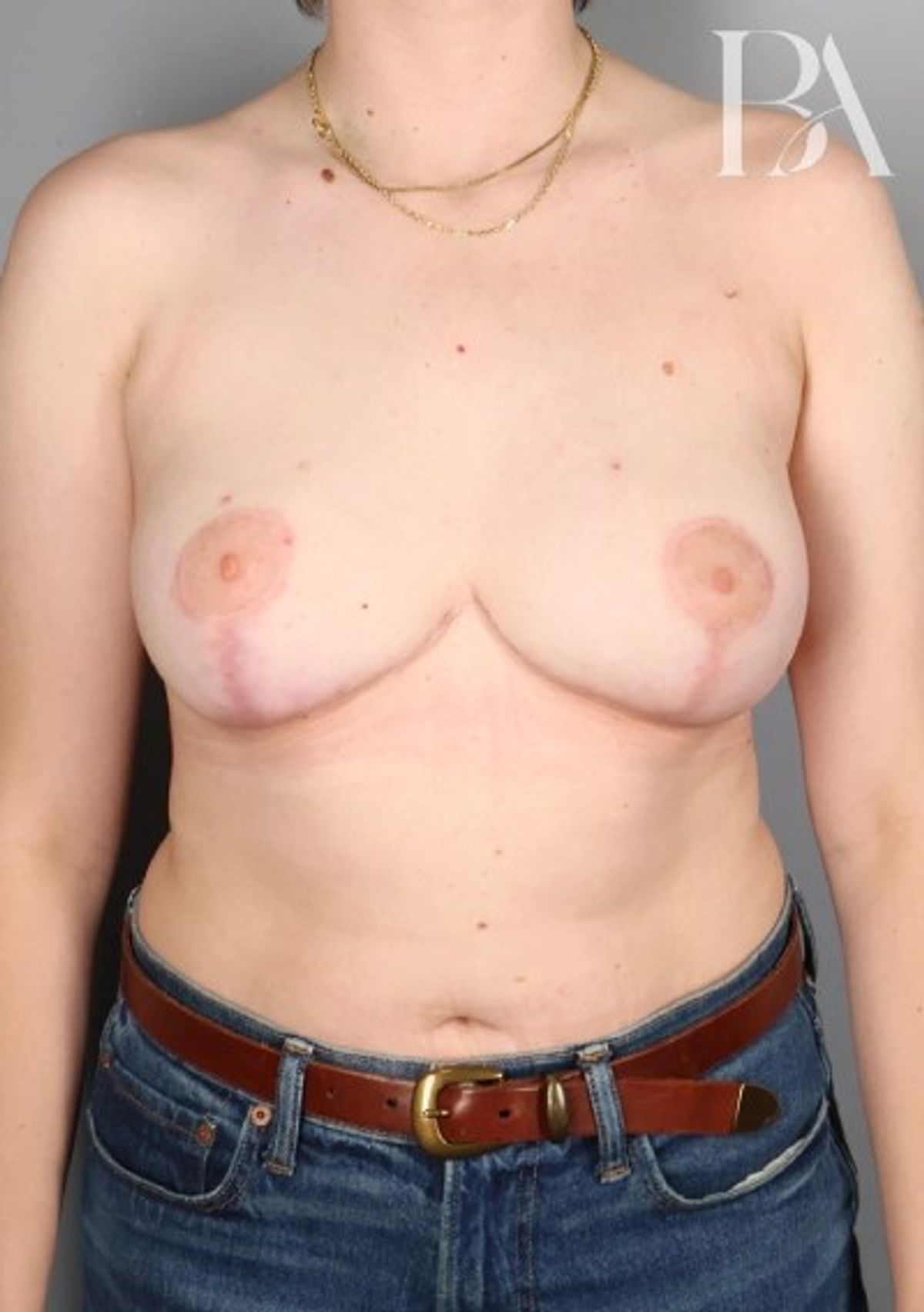
Breast reduction reduces breast size by removing a measured volume of breast tissue, fat, and skin. The procedure also lifts and reshapes the remaining breast, since the same tissue support that holds a larger breast in position is altered during the reduction. Common reasons for reduction include chronic neck, back, and shoulder pain; postural changes; skin irritation under the breast; and difficulty with exercise. Insurance often covers breast reduction when symptoms and tissue volume meet specific criteria; Dr. Azadgoli's team handles the documentation and pre-authorization.
Who it's for
The right candidate.
Patients with chronic neck, back, or shoulder pain from large breasts; postural changes; skin irritation under the breast; or difficulty exercising. Insurance often covers reduction when symptoms and tissue volume meet specific criteria.
Technique
How it's done.
A measured volume of breast tissue, fat, and skin is removed. The remaining tissue is reshaped and the nipple-areolar complex is repositioned. Most reductions use a Wise pattern (anchor) incision; some smaller reductions use a vertical (lollipop) pattern.
Where this happens
Our own surgery center.
One roof, one team.
Dr. Azadgoli operates at The Practice Healthcare's fully independent, on-property ambulatory surgery center — a Medicare-certified, physician-led facility recognized by Newsweek as one of California's top centers for independent, privately owned surgery.
Consultation, surgery, aftercare, and recovery all happen in one building, with the same team. No outside hospital. No new staff to meet the day of surgery. The same person who checked you in at the consult is there when you wake up.

What to expect
From consultation to recovery.
Outpatient under general anesthesia. Drains for several days are typical. Most patients return to desk work at one to two weeks, exercise at six weeks. Final shape settles over six months.

Insurance & coverage
Patient Advocacy handles the paperwork.
Our advocacy team verifies benefits, pursues pre-authorizations, and appeals denials. You don't navigate insurance on your own.
Breast reduction with documented neck/back/shoulder symptoms and tissue volume meeting your insurer's criteria is frequently covered. Our Patient Advocacy team handles the documentation, photographs, pre-authorization, and any appeals. Patients seeking smaller cosmetic reductions typically self-pay, with transparent estimates provided.
How we work with insurance
- 1 Verification by expertsOur advocacy team verifies your benefits before any procedure — so we know exactly what is and is not covered.
- 2 Patient advocacy & follow-throughWe aggressively pursue pre-authorizations, appeal denials when appropriate, and hold carriers accountable to their commitments.
- 3 Financial transparencyYou receive a clear written estimate of potential out-of-pocket costs. No surprises on the day of surgery.
- 4 Collaboration with carriersOur team handles documentation and communication directly with your insurance company.
- 5 Options & supportIf a procedure is not covered, we walk you through cash-pay options, financing, and other pathways to care.
FAQ
Common questions.
Will insurance cover it?
Often, yes — when the tissue volume and symptom history meet the insurer's criteria. Documentation matters; Dr. Azadgoli's team handles the pre-authorization. Patients with smaller reductions for cosmetic reasons typically self-pay.
How much smaller will I be?
Depends on starting size, your goal, and the amount of tissue that can be safely removed. A typical goal is one to two cup sizes, but the specific amount is planned in consultation.
Can I breastfeed after?
Often, yes — most modern techniques preserve the ducts. Some patients have reduced milk supply or are unable to breastfeed. This is discussed in consultation.
Will insurance cover this?
Often, yes — when documented neck/back/shoulder symptoms and the planned tissue removal volume meet your insurer's criteria. Our advocacy team handles the documentation, pre-authorization, and appeals. Patients seeking smaller cosmetic reductions typically self-pay.
Can I keep some volume?
Yes. Reduction does not have to take you to a small size — it can take you down one to two cup sizes while keeping the proportion you want. The amount is calibrated to your goal and what is safely removable.
Will I be able to breastfeed?
Most modern techniques preserve the ducts and many patients breastfeed after. Some experience reduced supply or are unable. If breastfeeding is important to you, mention it in consultation.
Ready to discuss breast reduction?
Schedule a consultation with Dr. Azadgoli and her team to explore your options.
Request a consultation