
Breast
Breast Lift (Mastopexy)
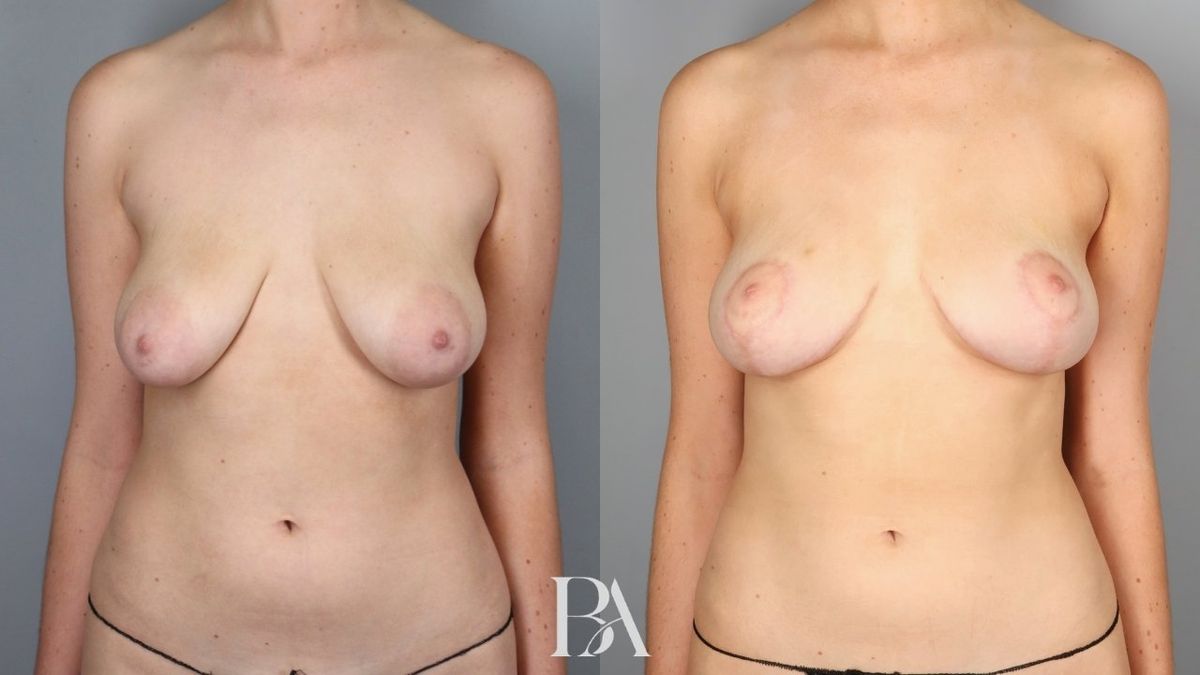
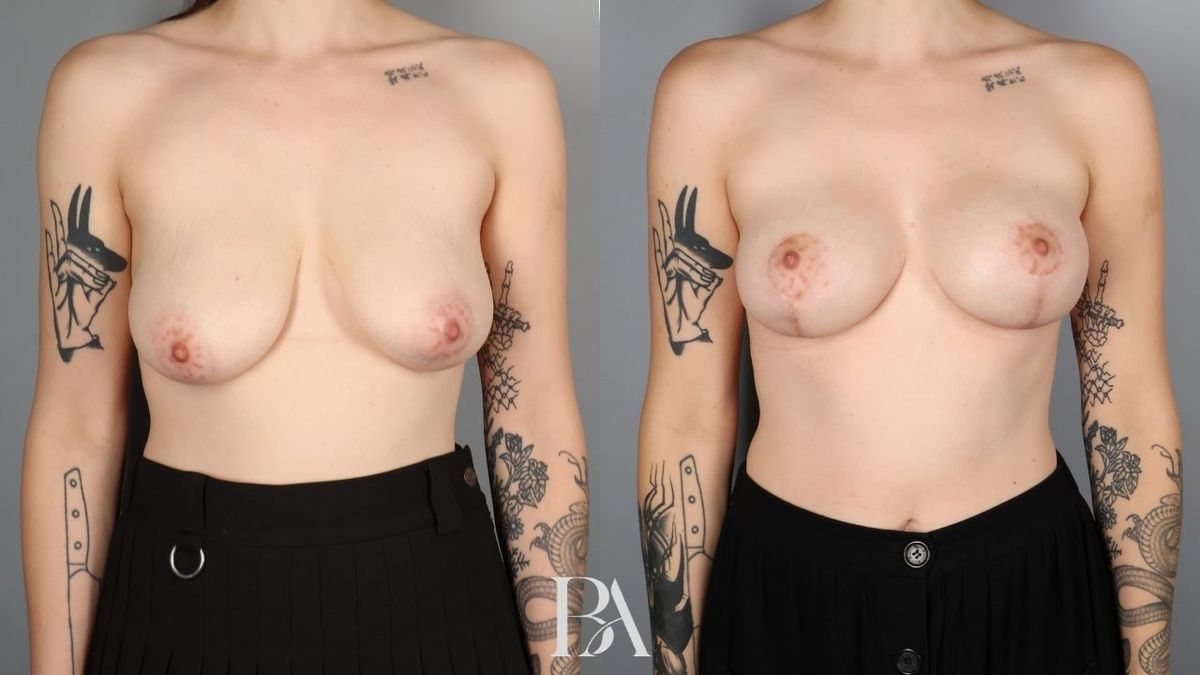
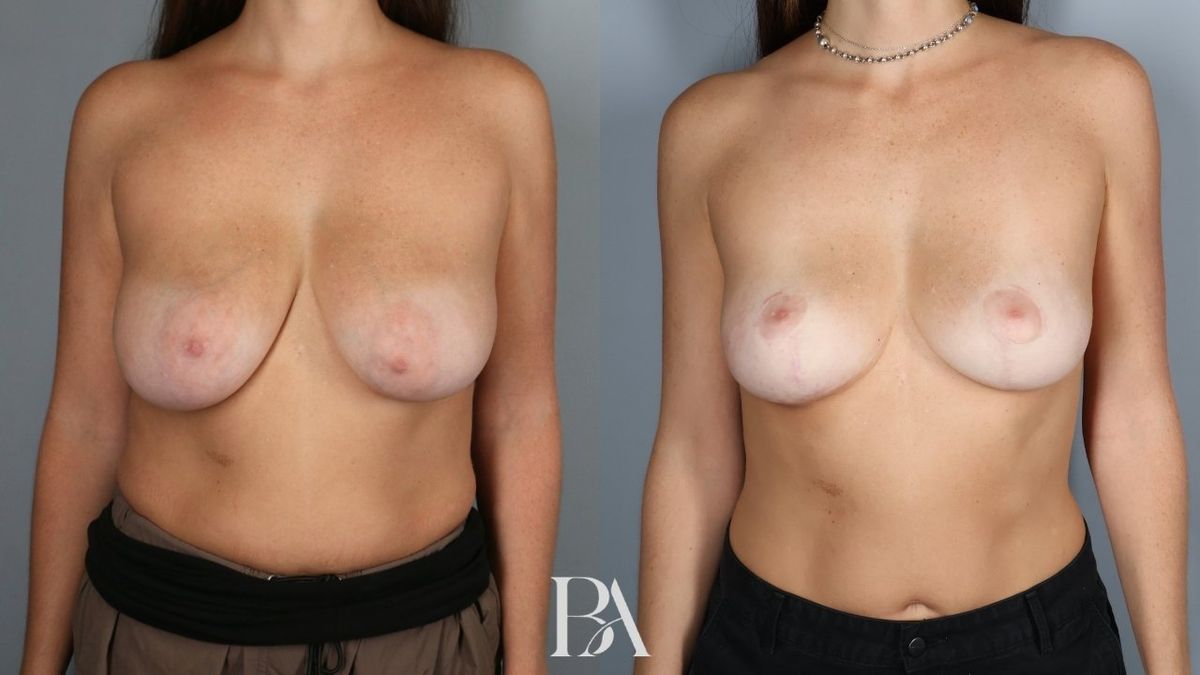
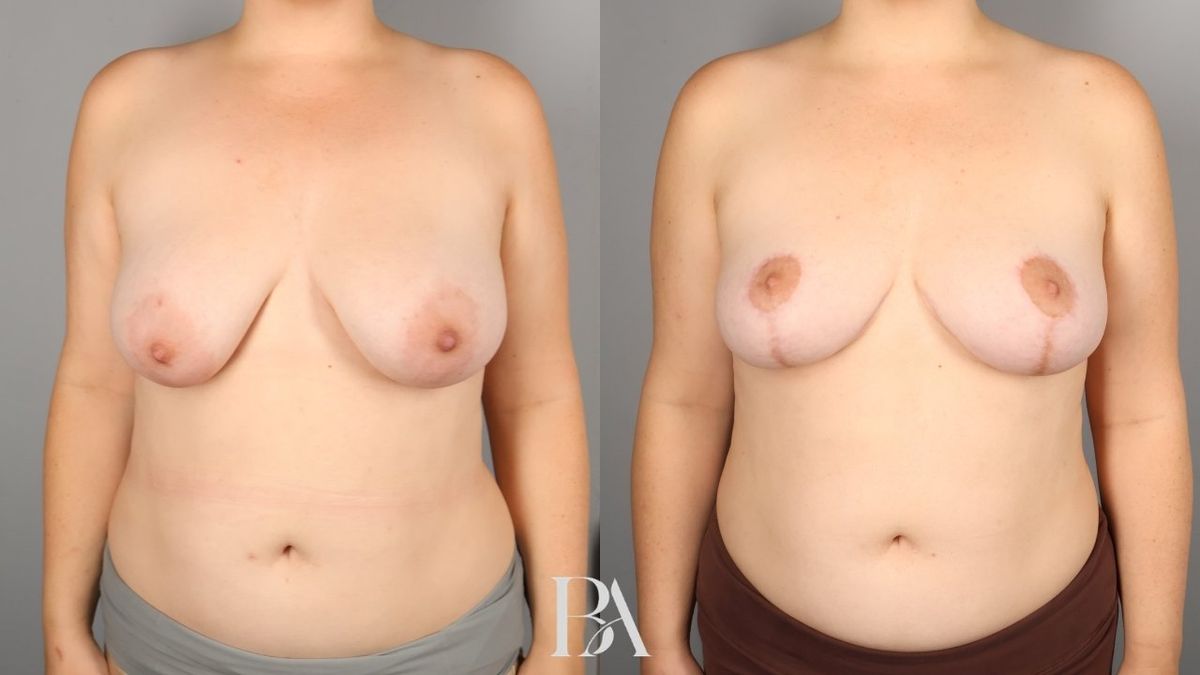
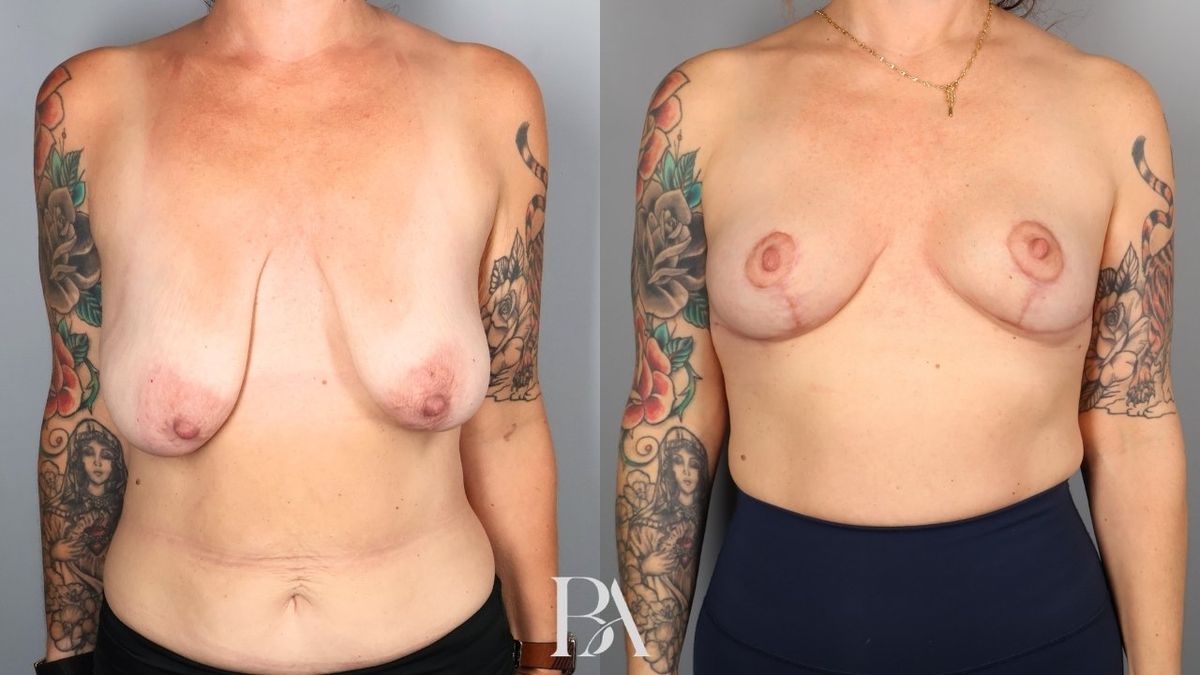
Raises and reshapes breasts that have descended or lost shape. Removes excess skin and repositions the nipple-areolar complex to a higher position.


Overview
Mastopexy, or breast lift, addresses breasts that have descended or lost their shape because of aging, pregnancy, breastfeeding, or weight changes. The procedure removes excess skin and tightens the underlying tissue, raising the breast and repositioning the nipple-areolar complex to a higher position. Several incision patterns exist — periareolar, vertical (lollipop), and Wise pattern (anchor) — and the choice depends on how much lift is needed and the pre-existing breast shape. A lift alone does not change volume; patients seeking both lift and volume usually need a lift with augmentation.
Who it's for
The right candidate.
Patients whose breasts have descended, lost shape, or whose nipple position has dropped below the inframammary fold. A lift alone does not change volume — patients seeking both lift and additional fullness need a lift with augmentation.
Technique
How it's done.
Excess skin is removed and the breast tissue is reshaped to a higher, firmer position. The nipple-areolar complex is repositioned. Incision pattern depends on the degree of descent: periareolar for mild, vertical (lollipop) for moderate, Wise pattern (anchor) for advanced.
Where this happens
Our own surgery center.
One roof, one team.
Dr. Azadgoli operates at The Practice Healthcare's fully independent, on-property ambulatory surgery center — a Medicare-certified, physician-led facility recognized by Newsweek as one of California's top centers for independent, privately owned surgery.
Consultation, surgery, aftercare, and recovery all happen in one building, with the same team. No outside hospital. No new staff to meet the day of surgery. The same person who checked you in at the consult is there when you wake up.

What to expect
From consultation to recovery.
Outpatient under general anesthesia. Supportive bra for several weeks. Most patients return to desk work at one week, exercise at four to six weeks. Final shape settles over three to six months.

Insurance & coverage
Patient Advocacy handles the paperwork.
Our advocacy team verifies benefits, pursues pre-authorizations, and appeals denials. You don't navigate insurance on your own.
Cosmetic procedures are generally not covered by insurance. For reconstructive or medically necessary work, our advocacy team verifies your benefits and presents the out-of-pocket estimate before anything is scheduled.
How we work with insurance
- 1 Verification by expertsOur advocacy team verifies your benefits before any procedure — so we know exactly what is and is not covered.
- 2 Patient advocacy & follow-throughWe aggressively pursue pre-authorizations, appeal denials when appropriate, and hold carriers accountable to their commitments.
- 3 Financial transparencyYou receive a clear written estimate of potential out-of-pocket costs. No surprises on the day of surgery.
- 4 Collaboration with carriersOur team handles documentation and communication directly with your insurance company.
- 5 Options & supportIf a procedure is not covered, we walk you through cash-pay options, financing, and other pathways to care.
FAQ
Common questions.
Will the scars fade?
Yes, but they remain visible. The vertical and anchor scars mature over twelve to eighteen months and become less noticeable. Scar quality depends on skin type, sun protection, and aftercare protocol.
Can I breastfeed after a lift?
Often, yes. Most lift techniques preserve the ducts. Some patients have reduced milk supply or are unable to breastfeed after — this is discussed in consultation if relevant.
How long does it last?
Ten to fifteen years for most patients. Skin elasticity, weight changes, and pregnancy after the lift all influence durability. The lift does not stop aging — it resets the starting point.
Will my breasts feel different?
The breast tissue is reshaped and lifted, which changes how it feels to the touch — typically firmer and more lifted. Sensation is preserved in most patients with careful technique.
Lift only, or lift with implants?
Lift alone reshapes and elevates but does not add volume. If you want more fullness on top, an implant is needed. If you want only the position correction, lift alone is the right operation.
How do I know if I need a lift?
If your nipple position has dropped below the inframammary fold or your breast tissue has descended significantly, a lift is the right operation. The consultation includes specific measurements.
Ready to discuss breast lift (mastopexy)?
Schedule a consultation with Dr. Azadgoli and her team to explore your options.
Request a consultation