
Breast
Breast Augmentation
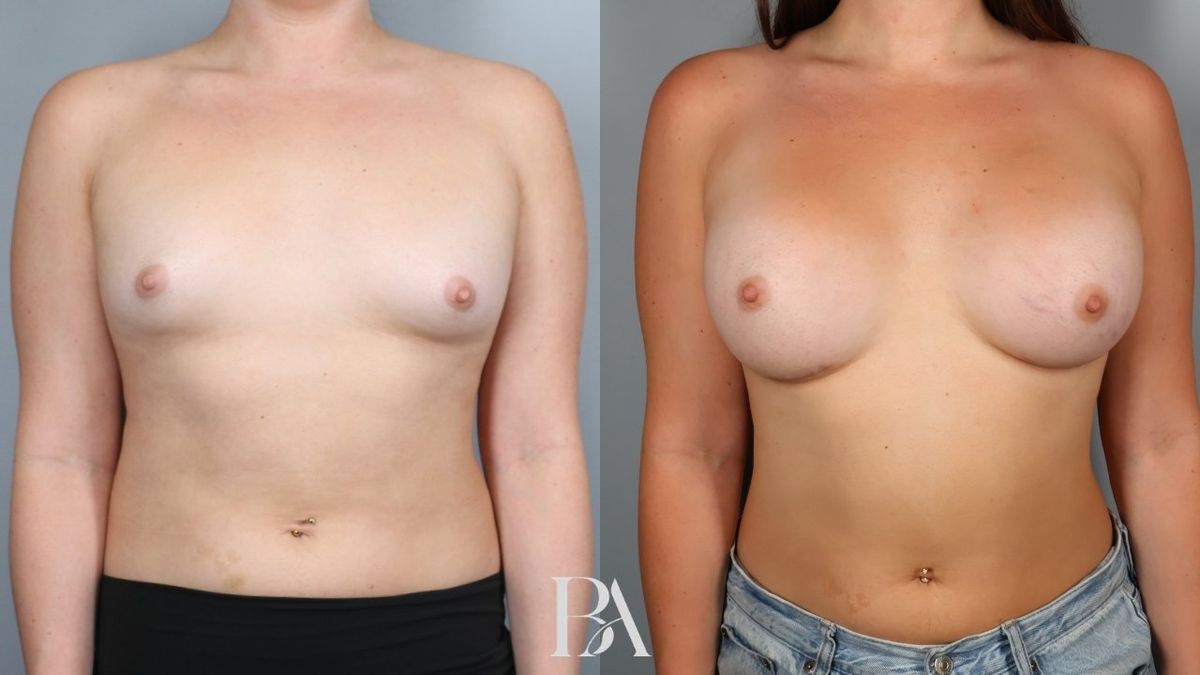
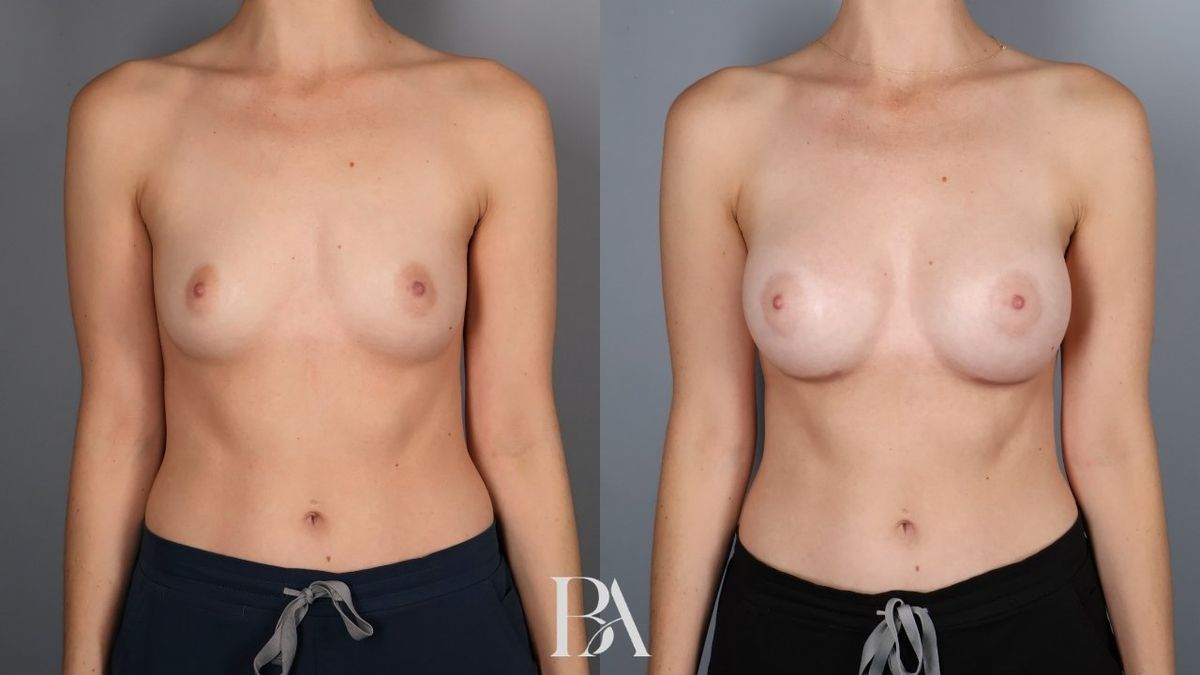
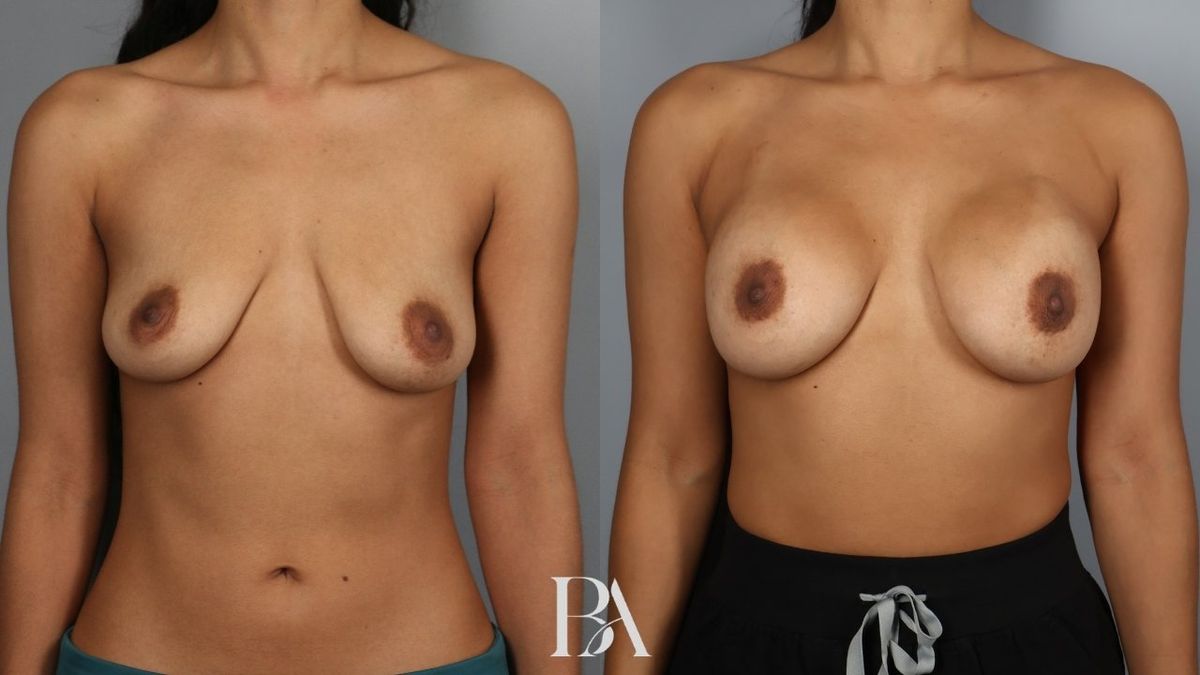
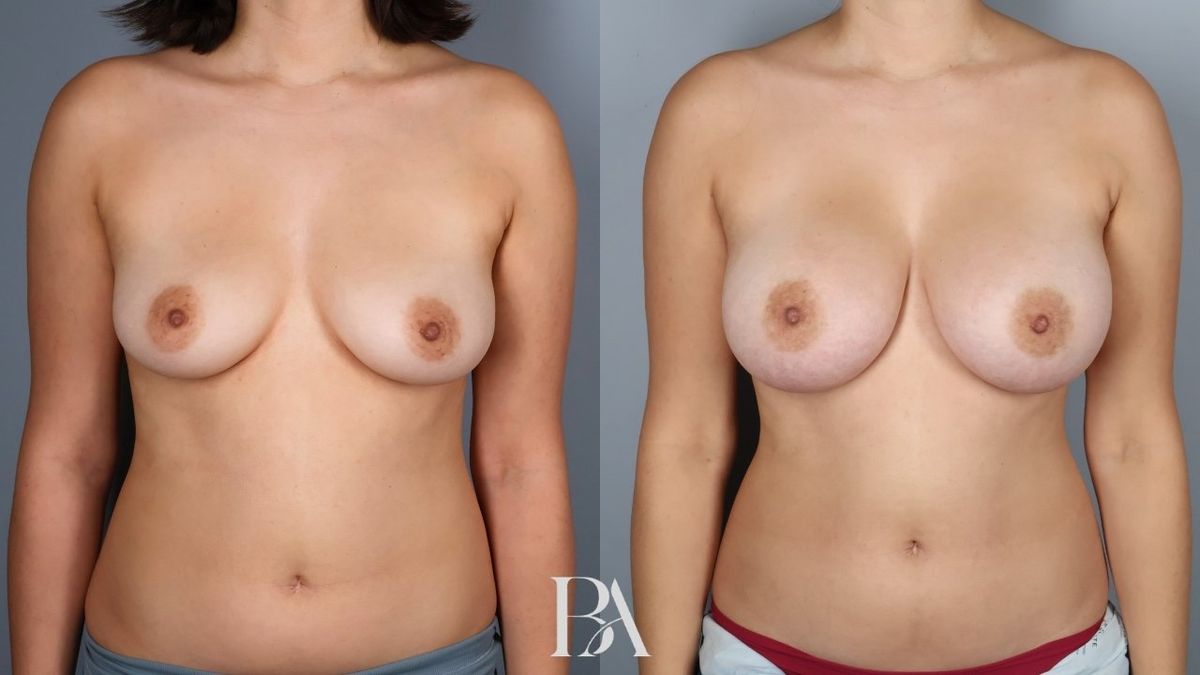
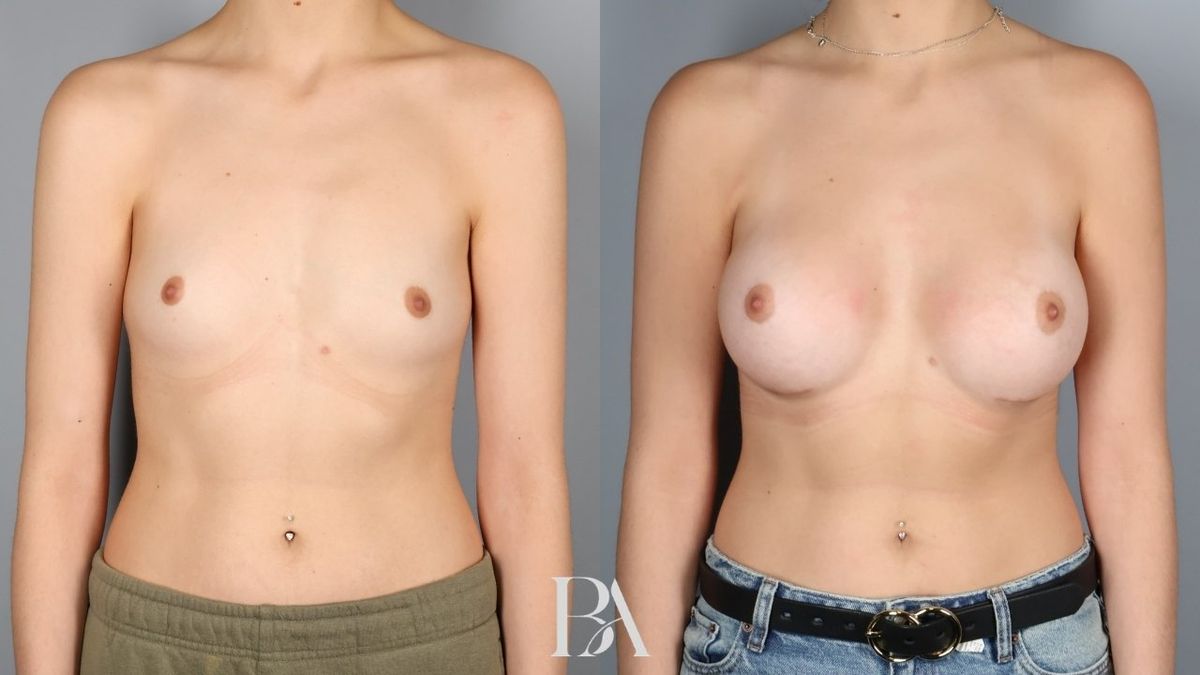
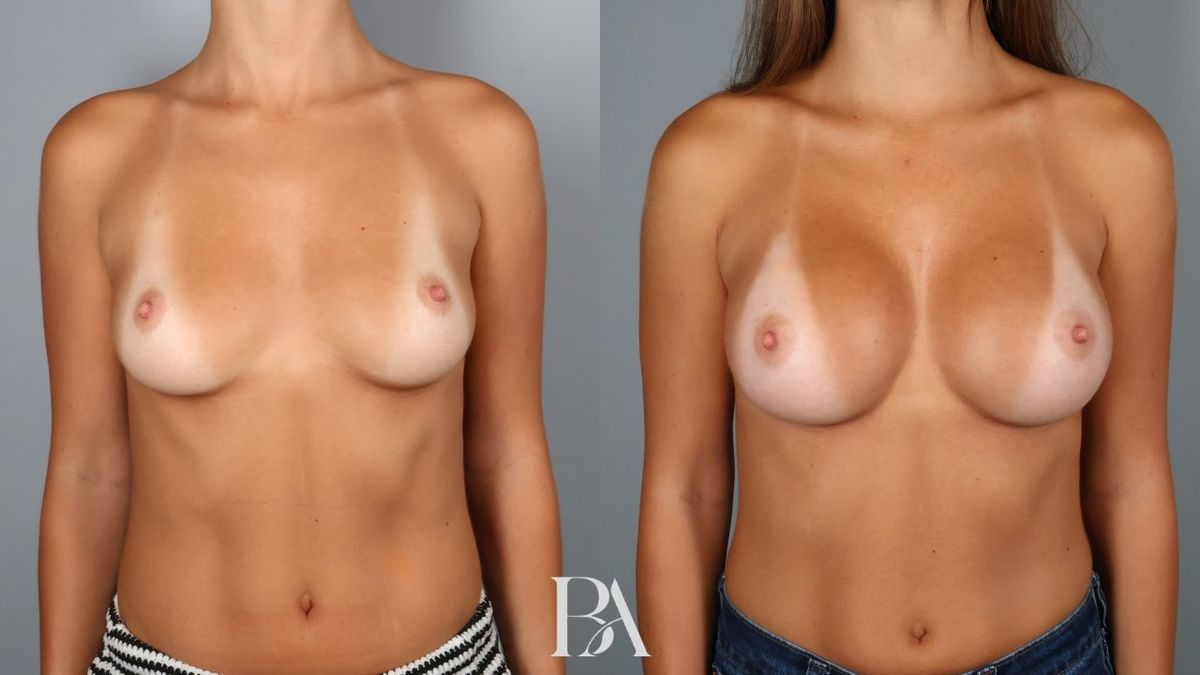
Increases breast size using silicone or saline implants, or in some cases fat transfer. Implant choice, position, and incision are matched to the patient's anatomy and goals.


Overview
Breast augmentation uses implants or fat transfer to add volume and shape to the breasts. Implant options vary by fill (silicone or saline), shape (round or anatomic), profile, and surface texture. Placement is either subglandular (above the muscle), subfascial, or submuscular, each with tradeoffs in appearance and palpability. Incision can be inframammary, periareolar, or transaxillary. The right combination is determined by the patient's existing tissue, frame size, and goal. Fat transfer augmentation is an option for patients seeking a modest increase without an implant.
Who it's for
The right candidate.
Patients seeking more breast volume, improved proportion with their frame, or restoration of volume lost after pregnancy, breastfeeding, or weight changes. The right candidate has stable weight, realistic expectations, and a clear sense of what size they want.
Technique
How it's done.
Implant choice (silicone, saline, or fat transfer), shape, profile, placement (subglandular, subfascial, or submuscular), and incision (inframammary, periareolar, or transaxillary) are all matched to the patient's anatomy and goals. Most cases use silicone implants placed through an inframammary incision.
Where this happens
Our own surgery center.
One roof, one team.
Dr. Azadgoli operates at The Practice Healthcare's fully independent, on-property ambulatory surgery center — a Medicare-certified, physician-led facility recognized by Newsweek as one of California's top centers for independent, privately owned surgery.
Consultation, surgery, aftercare, and recovery all happen in one building, with the same team. No outside hospital. No new staff to meet the day of surgery. The same person who checked you in at the consult is there when you wake up.

What to expect
From consultation to recovery.
Outpatient under general anesthesia. A supportive bra is worn for several weeks. Most patients are back to desk work in one week, exercise at four to six weeks. Final shape settles over three to six months.

Insurance & coverage
Patient Advocacy handles the paperwork.
Our advocacy team verifies benefits, pursues pre-authorizations, and appeals denials. You don't navigate insurance on your own.
Primary cosmetic augmentation is not covered by insurance. Transparent pricing — including implant cost, anesthesia, and facility — is provided in your consultation, with flexible payment options available for the procedure.
How we work with insurance
- 1 Verification by expertsOur advocacy team verifies your benefits before any procedure — so we know exactly what is and is not covered.
- 2 Patient advocacy & follow-throughWe aggressively pursue pre-authorizations, appeal denials when appropriate, and hold carriers accountable to their commitments.
- 3 Financial transparencyYou receive a clear written estimate of potential out-of-pocket costs. No surprises on the day of surgery.
- 4 Collaboration with carriersOur team handles documentation and communication directly with your insurance company.
- 5 Options & supportIf a procedure is not covered, we walk you through cash-pay options, financing, and other pathways to care.
FAQ
Common questions.
How do I choose the right size?
In consultation. Sizers, photos of preferred results, and trial implants help calibrate the choice to your frame. Avoid choosing size from a single number — what matters is the proportion on your body.
How long do implants last?
Modern implants are not labeled with an expiration date. Many last for decades without issue. Some patients exchange them after ten to fifteen years for shape changes or peace of mind; some never do.
Will my breasts feel natural?
Mostly yes — the feel depends on implant choice, placement, and your existing tissue thickness. Patients with thicker native tissue have a more natural feel than those with very thin tissue.
How long until my implants look natural?
Most of the early upper-pole fullness settles over six to twelve weeks. The 'drop and fluff' is a real thing — the implants start higher and slightly tight, then settle into a more natural position over the first few months.
Will this affect future mammograms?
Implants do not prevent mammography, but the technique is slightly different — the imaging center will use Eklund views to image around the implant. Communicating that you have implants is important when scheduling screening.
Submuscular or subglandular placement?
Submuscular gives a more natural-looking upper pole, particularly in patients with thinner native tissue, but recovery is slightly longer. Subglandular is appropriate for patients with adequate native tissue cover. The decision is made in consultation.
Saline or silicone?
Silicone has a more natural feel and is what most patients choose. Saline has the advantage of being filled at the time of surgery (smaller incision) and is detectable immediately if it ruptures.
Ready to discuss breast augmentation?
Schedule a consultation with Dr. Azadgoli and her team to explore your options.
Request a consultation