Case #1501
Implant Removal and Replacement
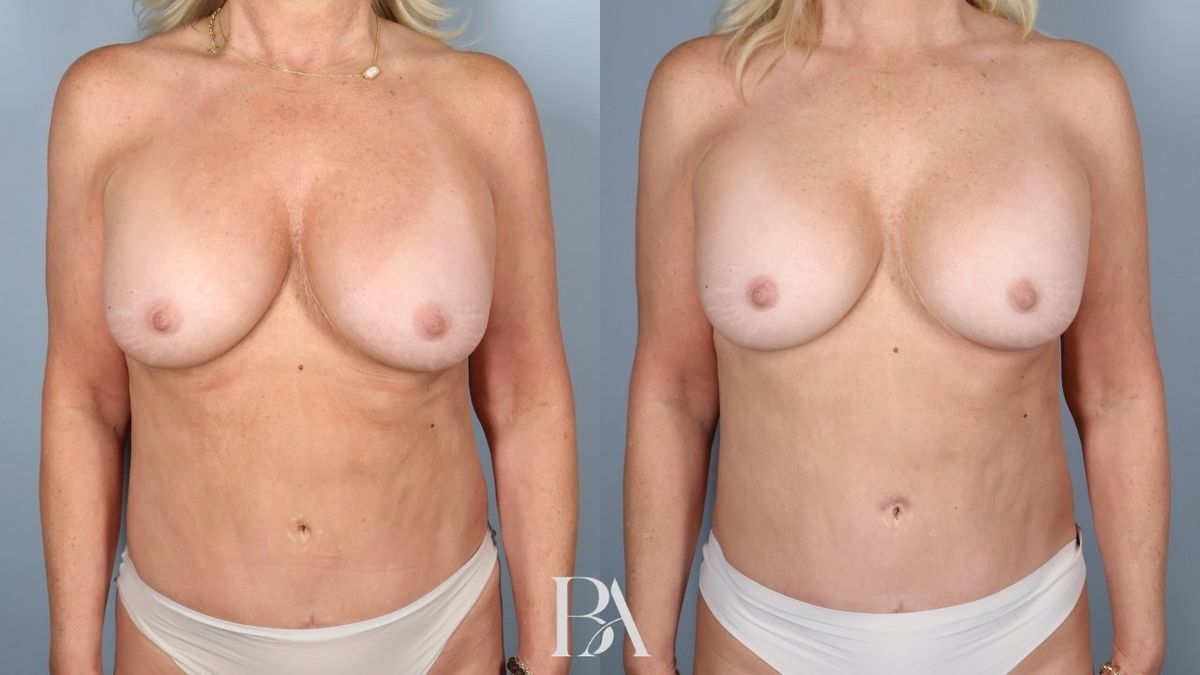
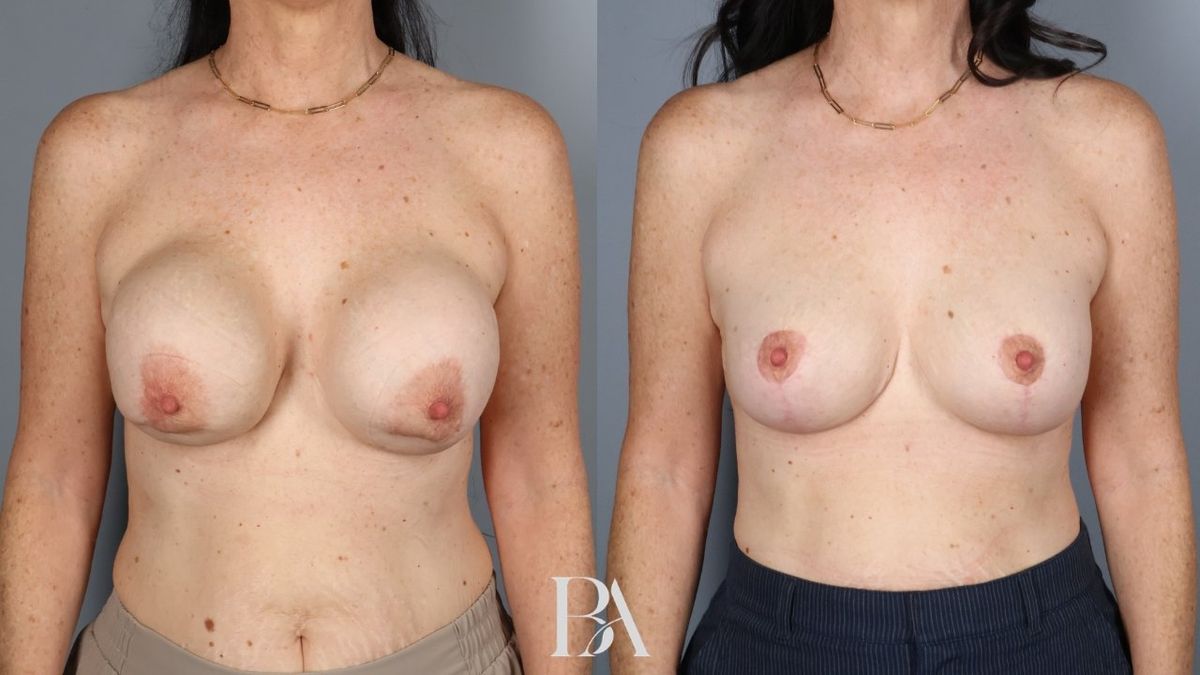
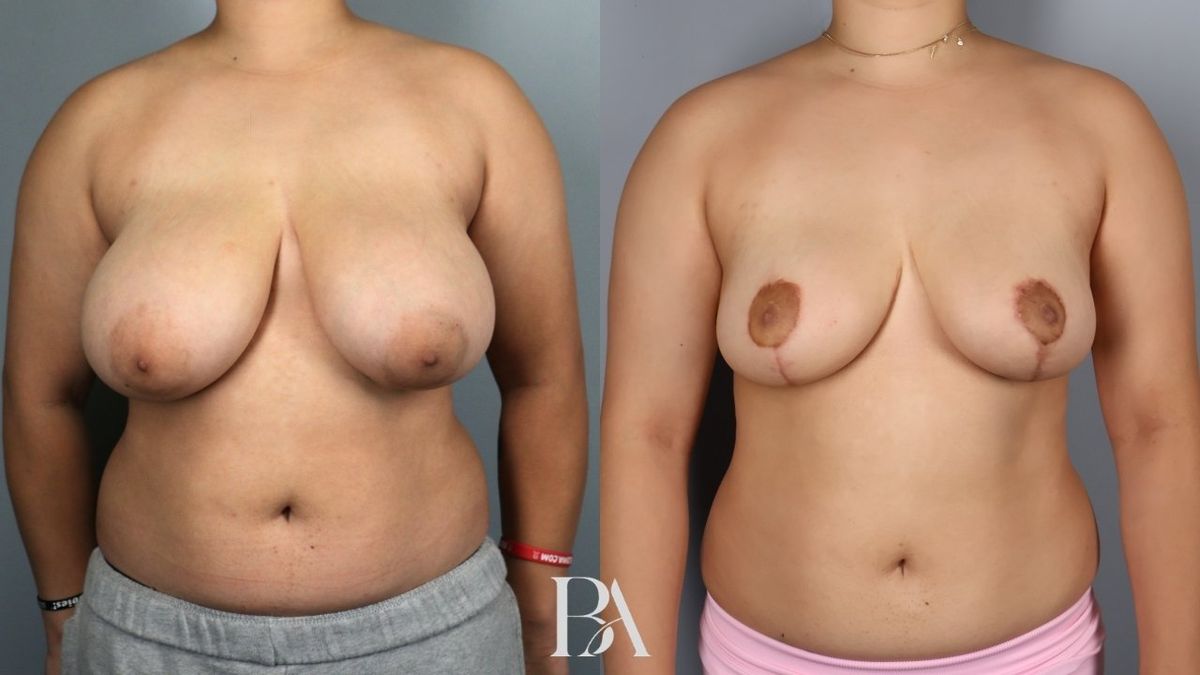
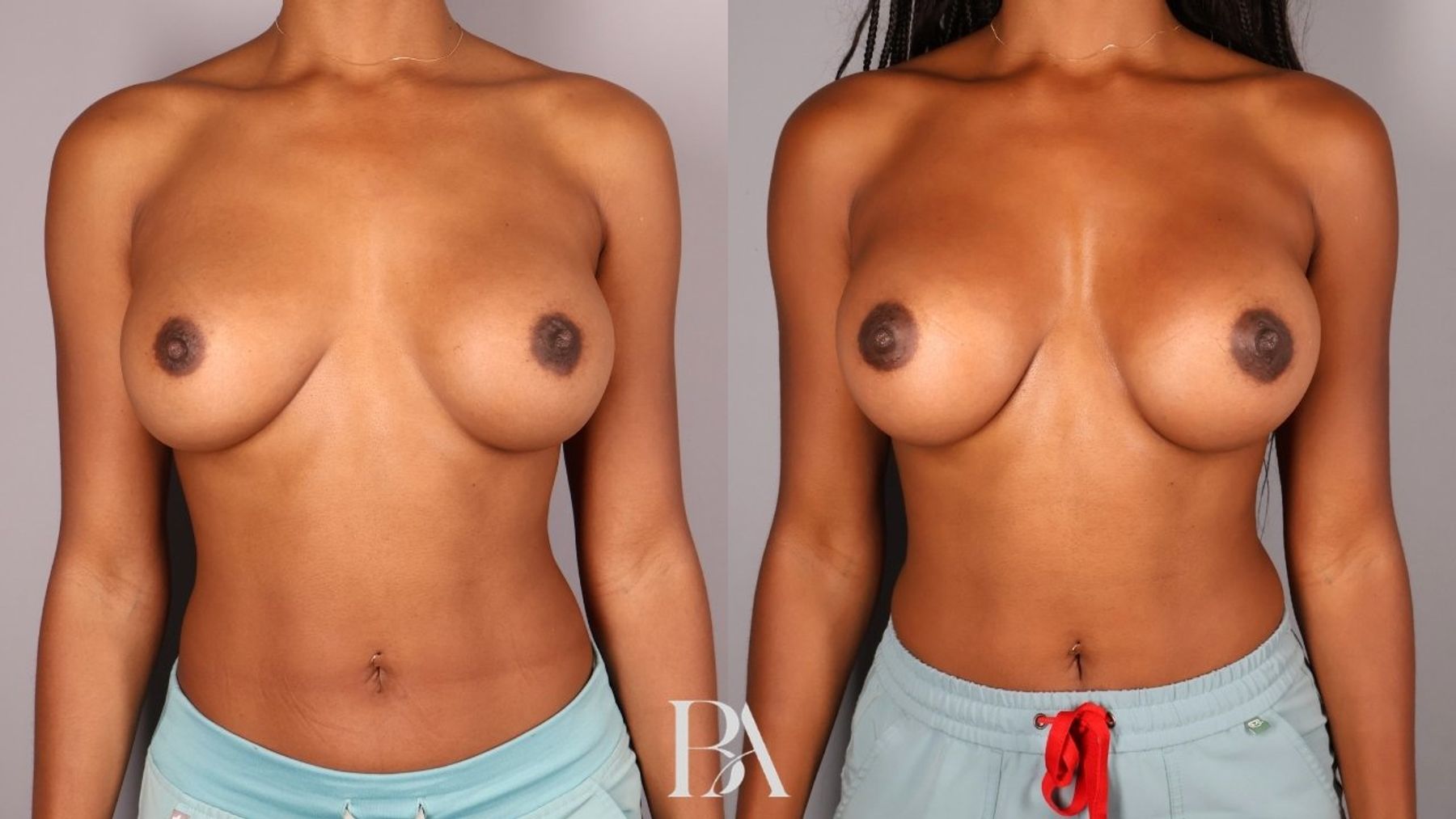
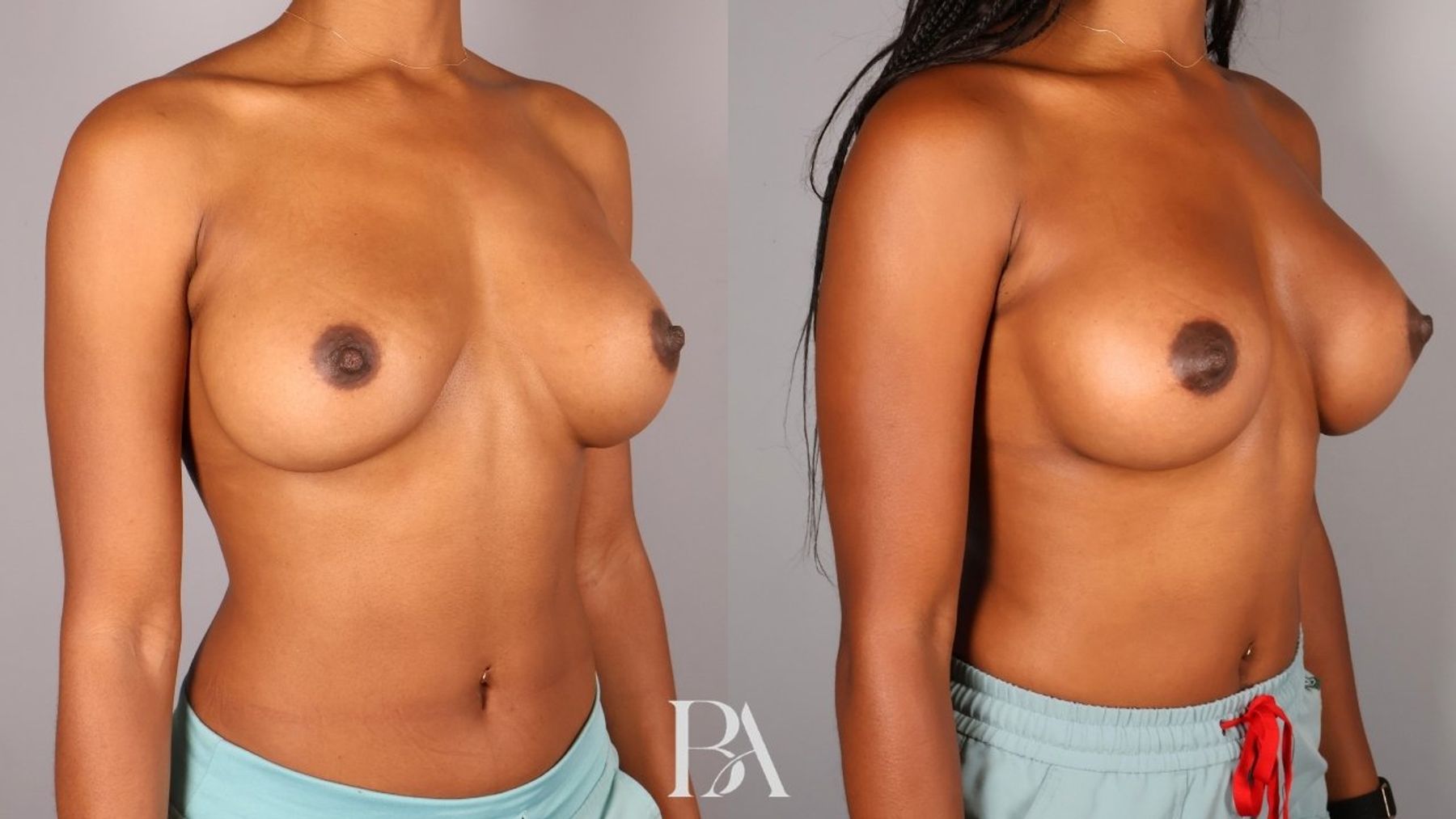
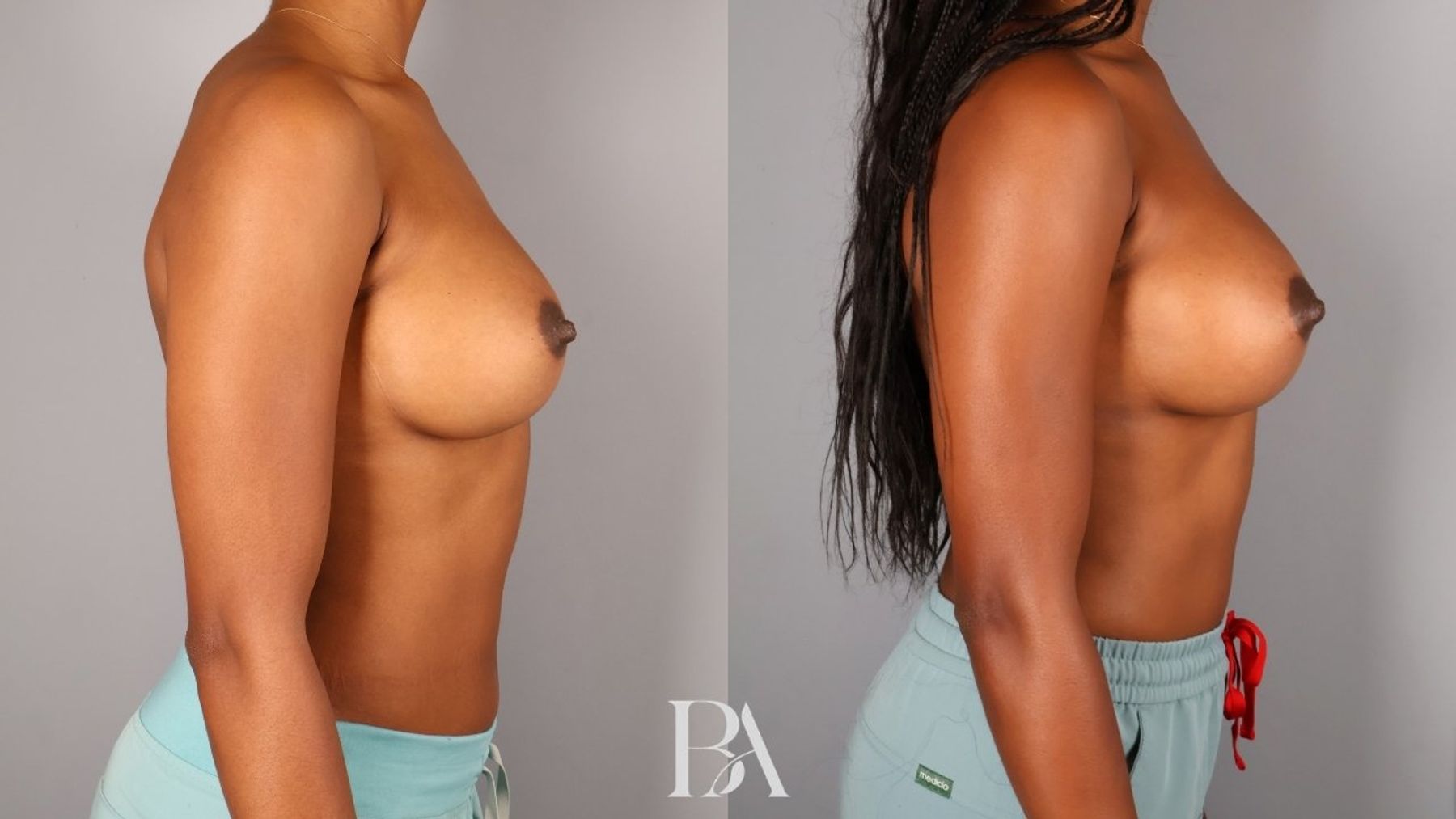
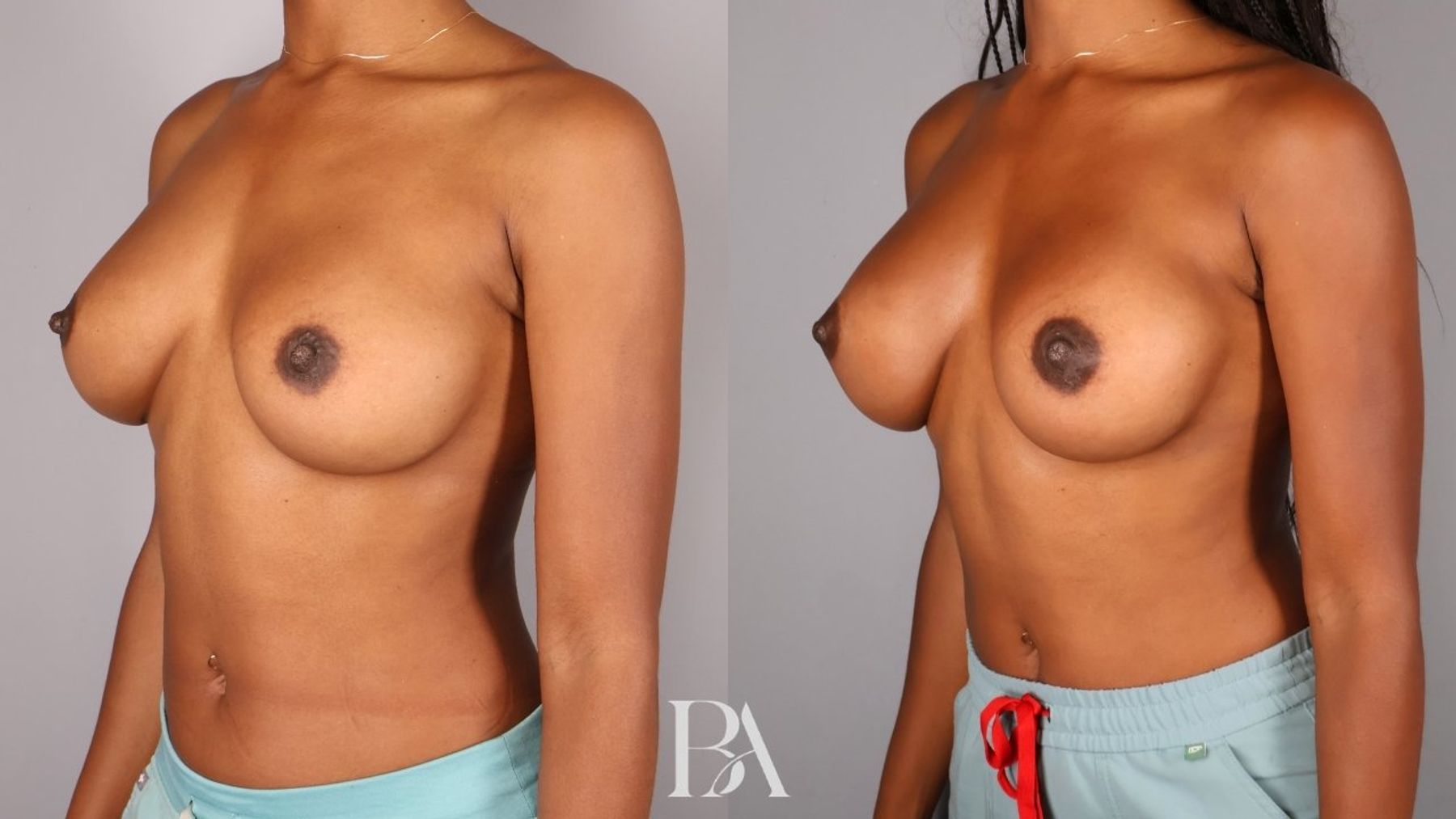
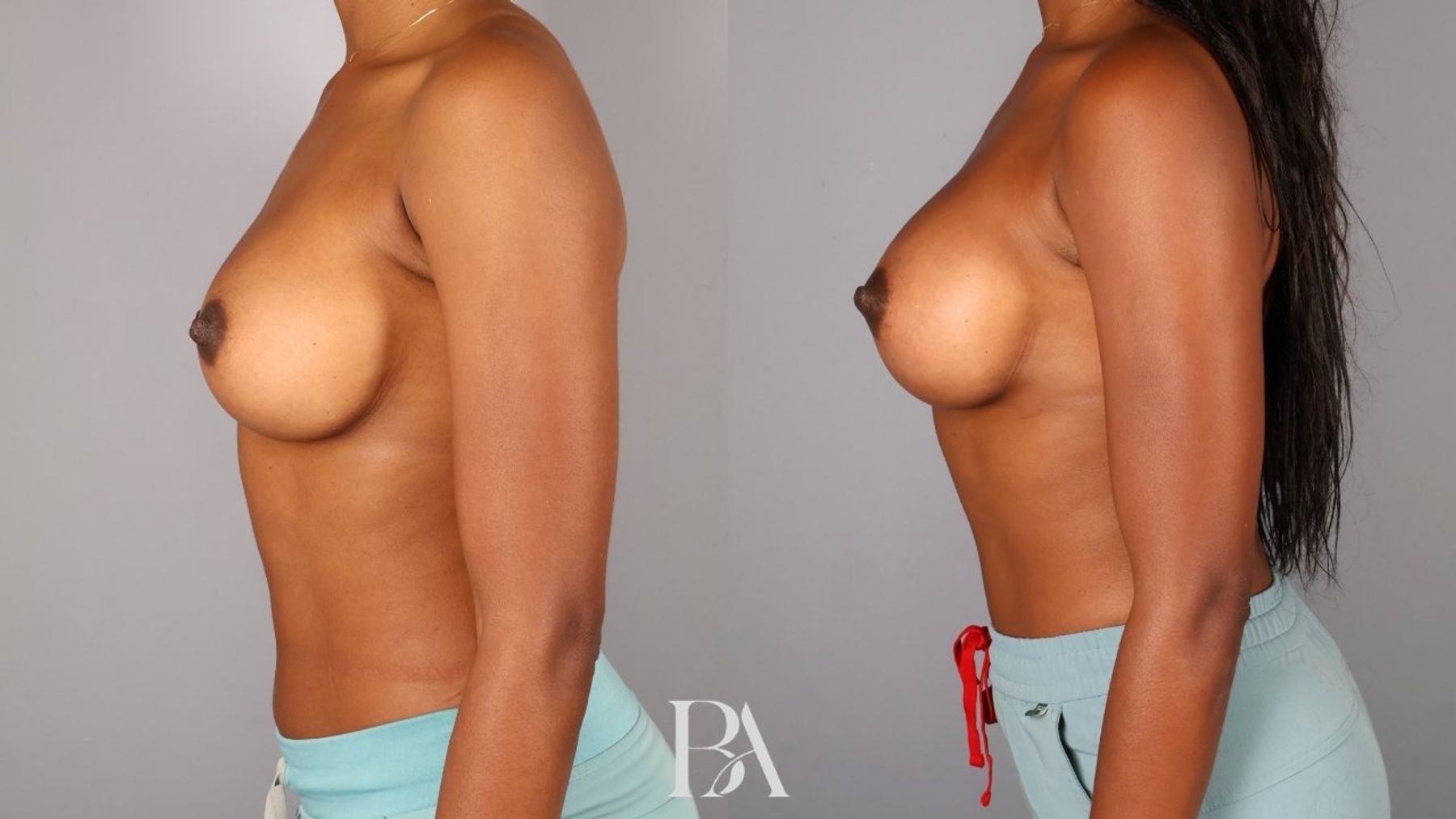
28-year-old female who had 330cc saline subpectoral implants placed by another surgeon. Over time, her right implant became laterally displaced and malpositioned. She also felt they were too small. Dr. Azadgoli removed her implants and replaced them with 425cc moderate profile im
28-year-old female who had 330cc saline subpectoral implants placed by another surgeon. Over time, her right implant became laterally displaced and malpositioned. She also felt they were too small. Dr. Azadgoli removed her implants and replaced them with 425cc moderate profile implants, placed over the muscle.
Why this approach
The decisions that shaped this surgical plan.
- Approach built on top of the prior surgery. The technique was selected to address the specific issues from the original procedure without sacrificing what worked.
- Bilateral removal & replacement performed in one operative session so symmetry, tissue handling, and final shape track between both sides.
Procedure details
Her original 330cc subpectoral saline implants were removed and replaced with 425cc silicone implants, repositioned from the subpectoral to the pre-pectoral plane.
Pre-op preparation
What to do before surgery. Specific to this case.
- Aspirin, ibuprofen, vitamin E, and fish oil discontinued 14 days pre-op to reduce bruising risk. Acetaminophen is allowed.
- Full nicotine cessation 6 weeks pre- and post-op. This includes vapes and nicotine replacement products; the constriction effect is the same.
- Front-closing clothing only for 3 weeks. Drain holders and supportive surgical bras are issued at discharge.
- Day-of transport and an overnight companion (24 hours minimum) are required for discharge.
Recovery timeline
Milestones specific to this case. Individual recovery varies.
- Day 1–7
First week is the strictest activity window. Bilateral cases benefit most from staying ahead of swelling with consistent icing and rest.
- Week 2
Walking distance doubles. Showering rules relax. Compression garments transition to the long-wear schedule.
- Week 4
Return to most low-impact activity. Scar massage, compression, and skincare protocols pick up.
- Week 6
Most physical restrictions lift. Return to strength training, full-impact cardio, and overhead lifting.
- Month 3
Shape is 80–90 percent of final. Scars are still pink and will continue to lighten through month 12.
- Month 6
Slower maturation than primary cases — revision tissue keeps refining well past month 6.
Continued care
Recommended aftercare, skincare, and MedSpa services for Implant Removal and Replacement.
- Compression bra continuously for 4 weeks, daytime for 8 weeks
- No lifting above 10 lb for the first 3 weeks
- Sleep elevated for the first week
- Scar management protocol at 3 weeks
- Gentle implant massage from week 4 if directed
- Medical-grade silicone sheeting on the incision lines
- SkinCeuticals C E Ferulic for scar healing
- SPF 50+ on incisions for 12 months
- Indiba radiofrequency for tissue recovery
- LED light therapy weekly for the first 8 weeks
- Fractional laser for scar refinement after 3 months if needed
- Aftercare
Hyperbaric oxygen series extended to 10–15 sessions for bilateral tissue support.
Bilateral procedures heal more reliably with sustained HBOT.
- Aftercare
Revision protocol pushes scar work out by 14 days vs. the primary-case schedule.
Revised tissue tolerates active treatment less well than primary cases.
- Skincare
Layered scar protocol — silicone sheeting under tape, daily for 12 weeks.
Revised scars respond best to sustained, layered pressure therapy.
- Skincare
SPF 50+ on incisions daily for the first year; younger skin pigments scars more reliably under UV.
Younger skin pigments scars more reliably under sun exposure.