Case #1207
Direct-to-Implant Reconstruction
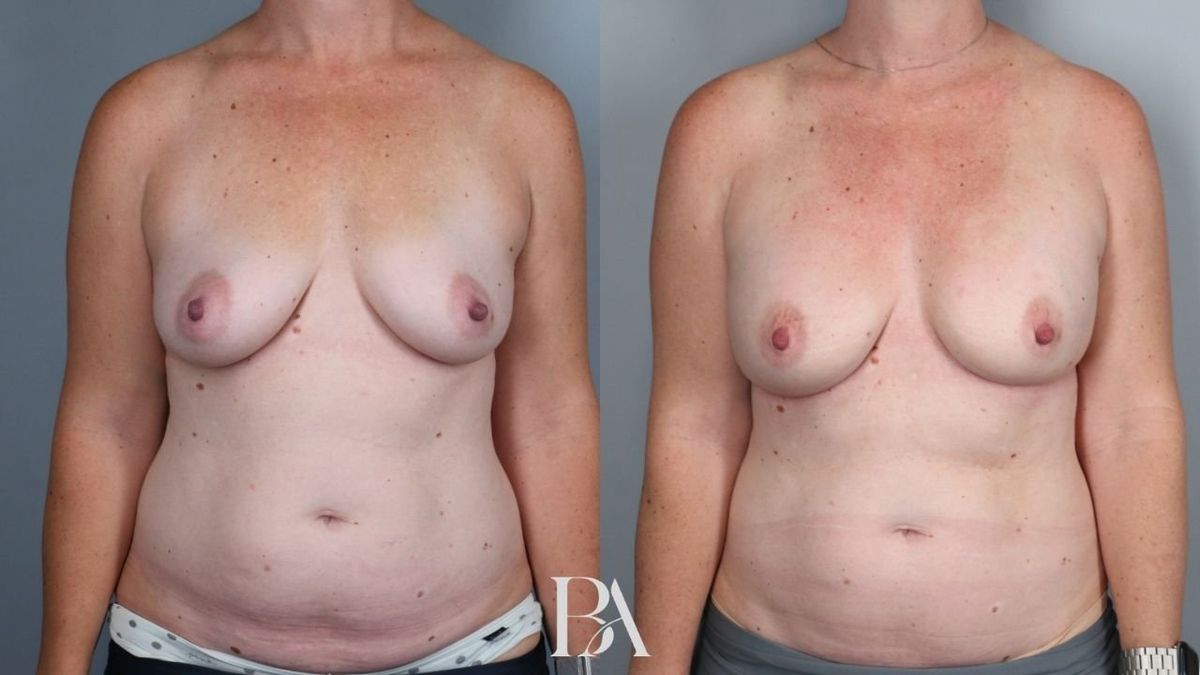
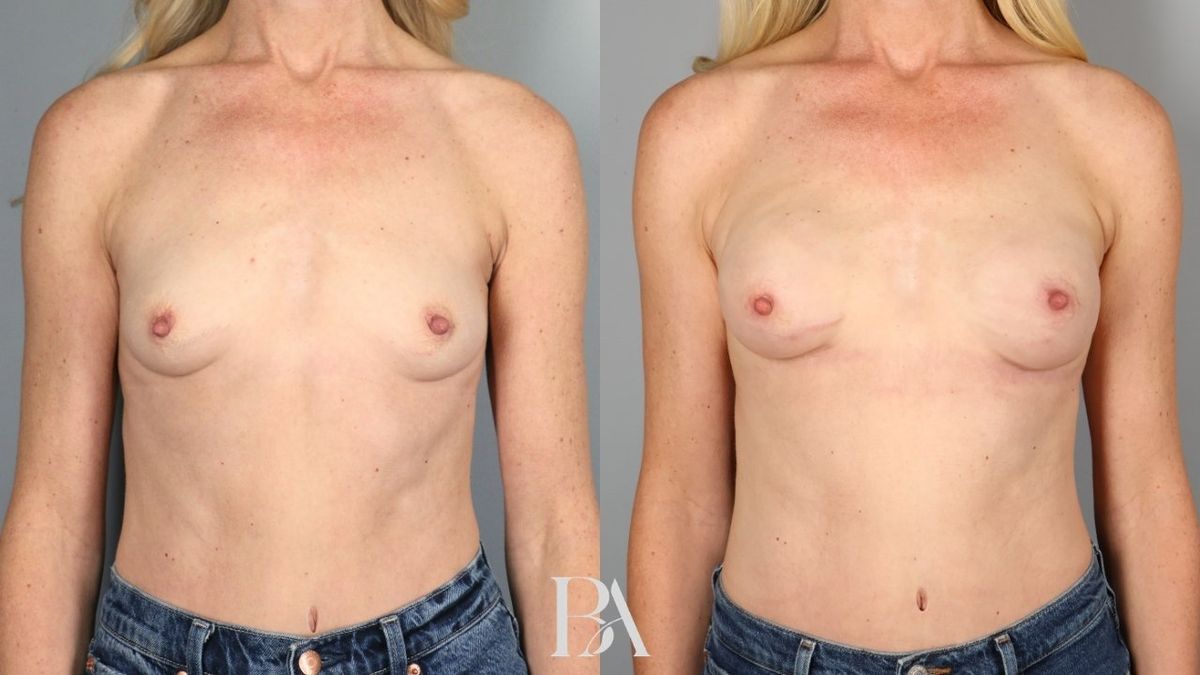
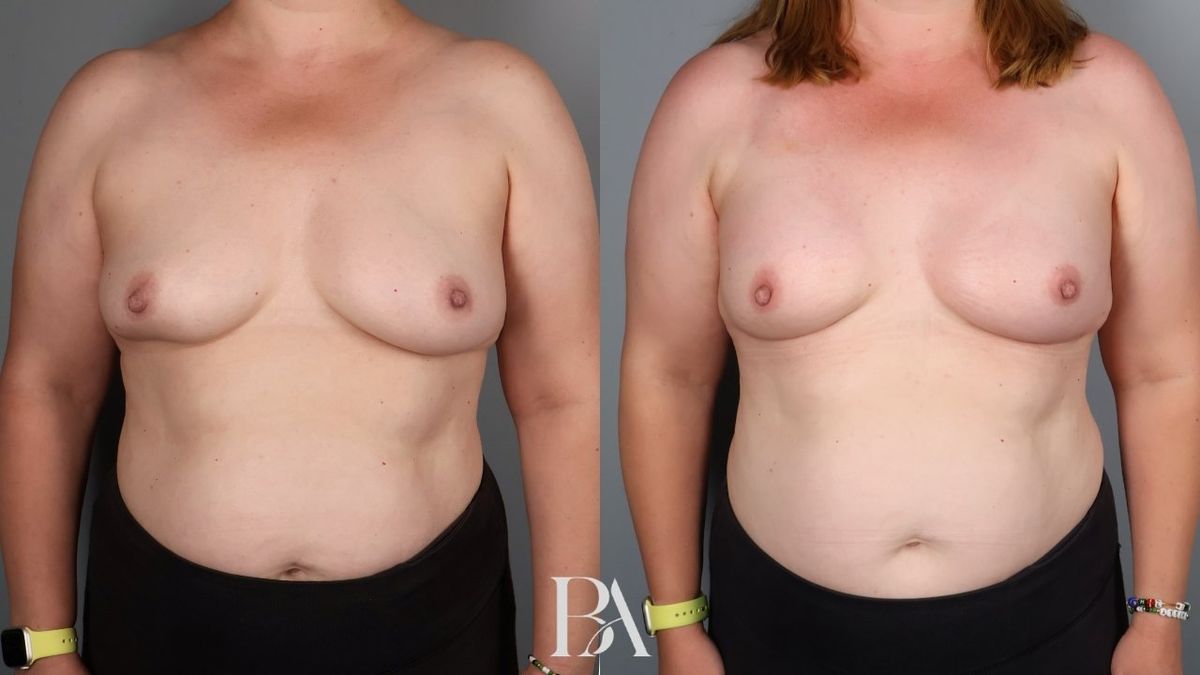
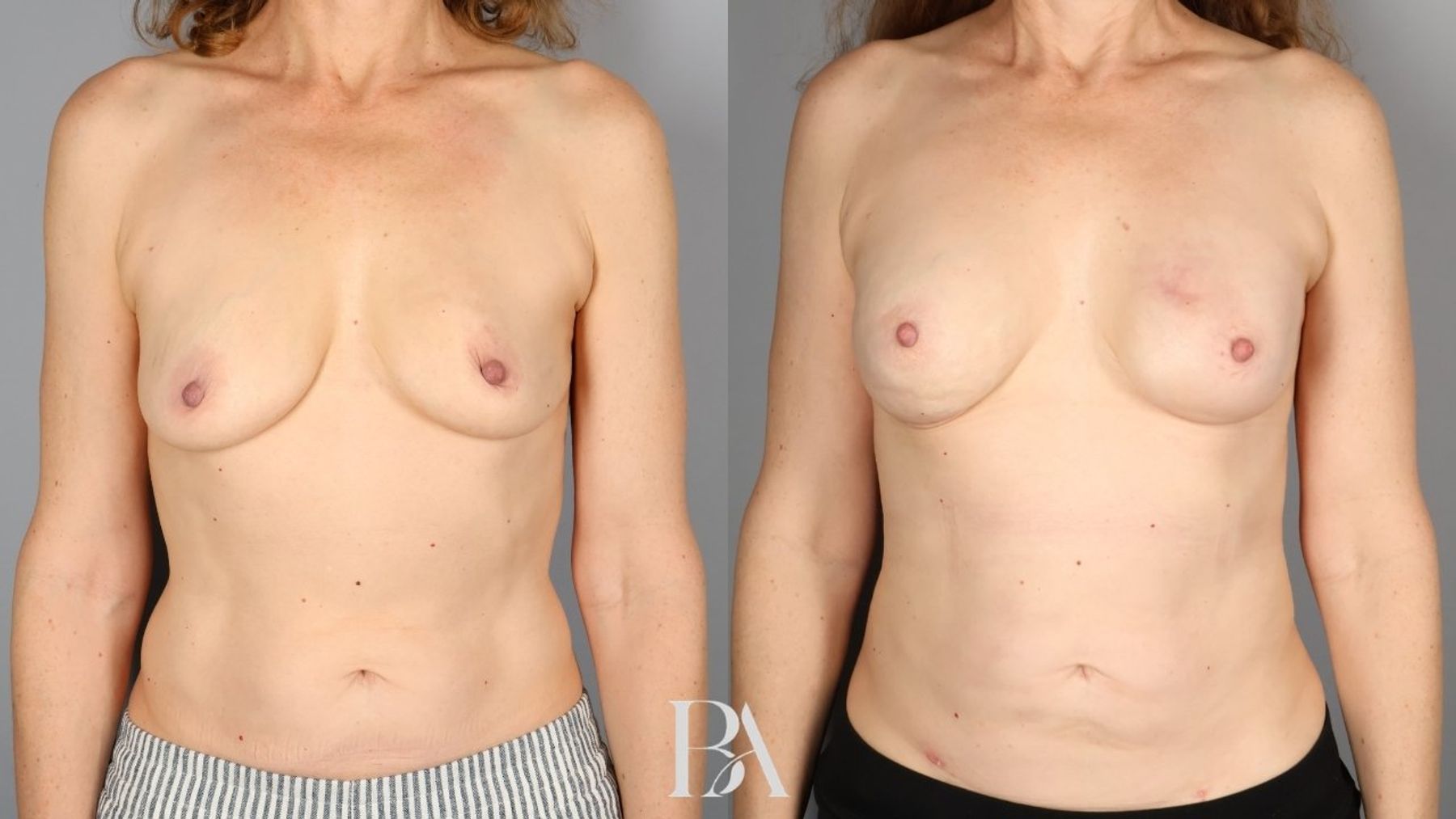
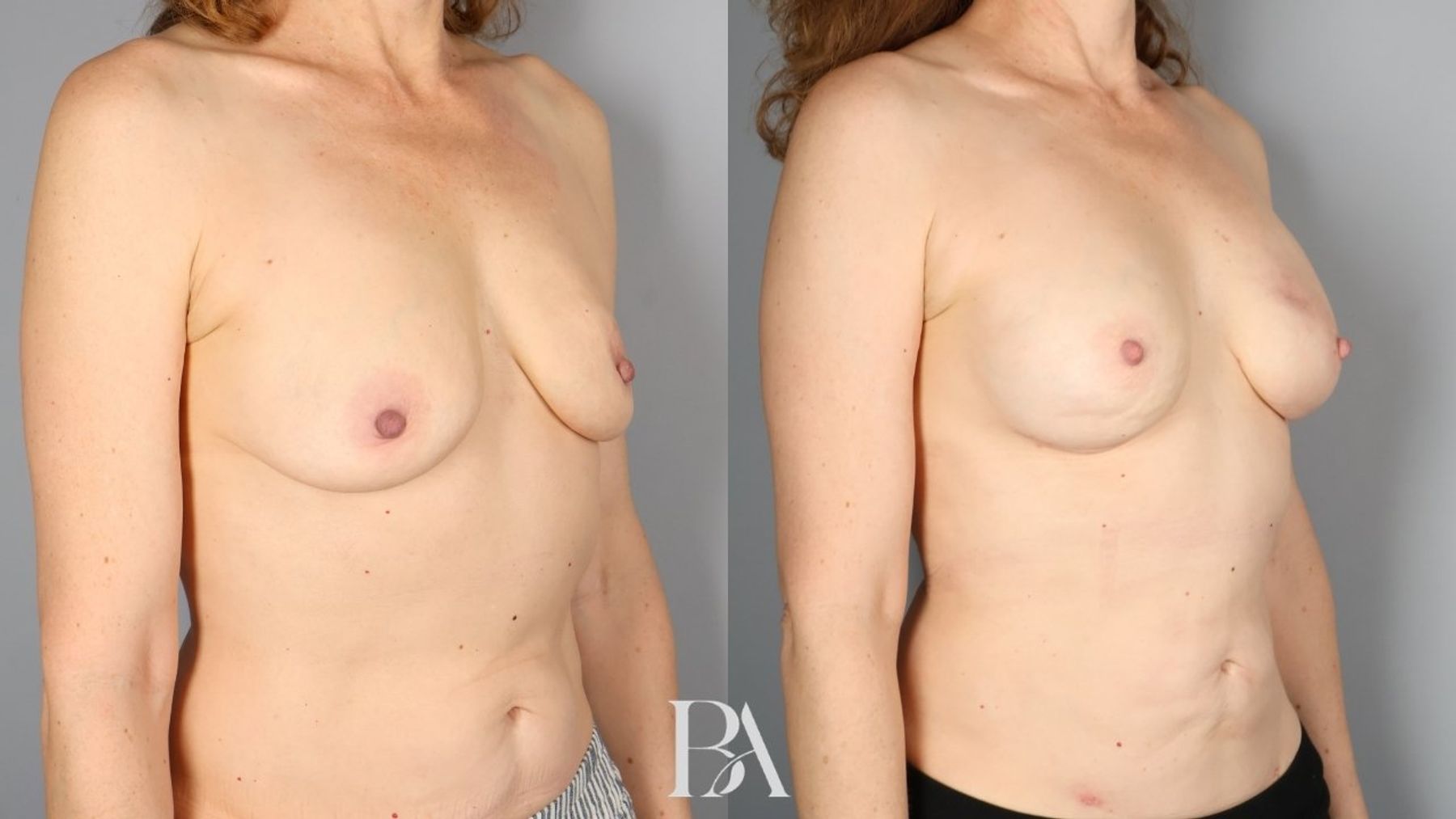
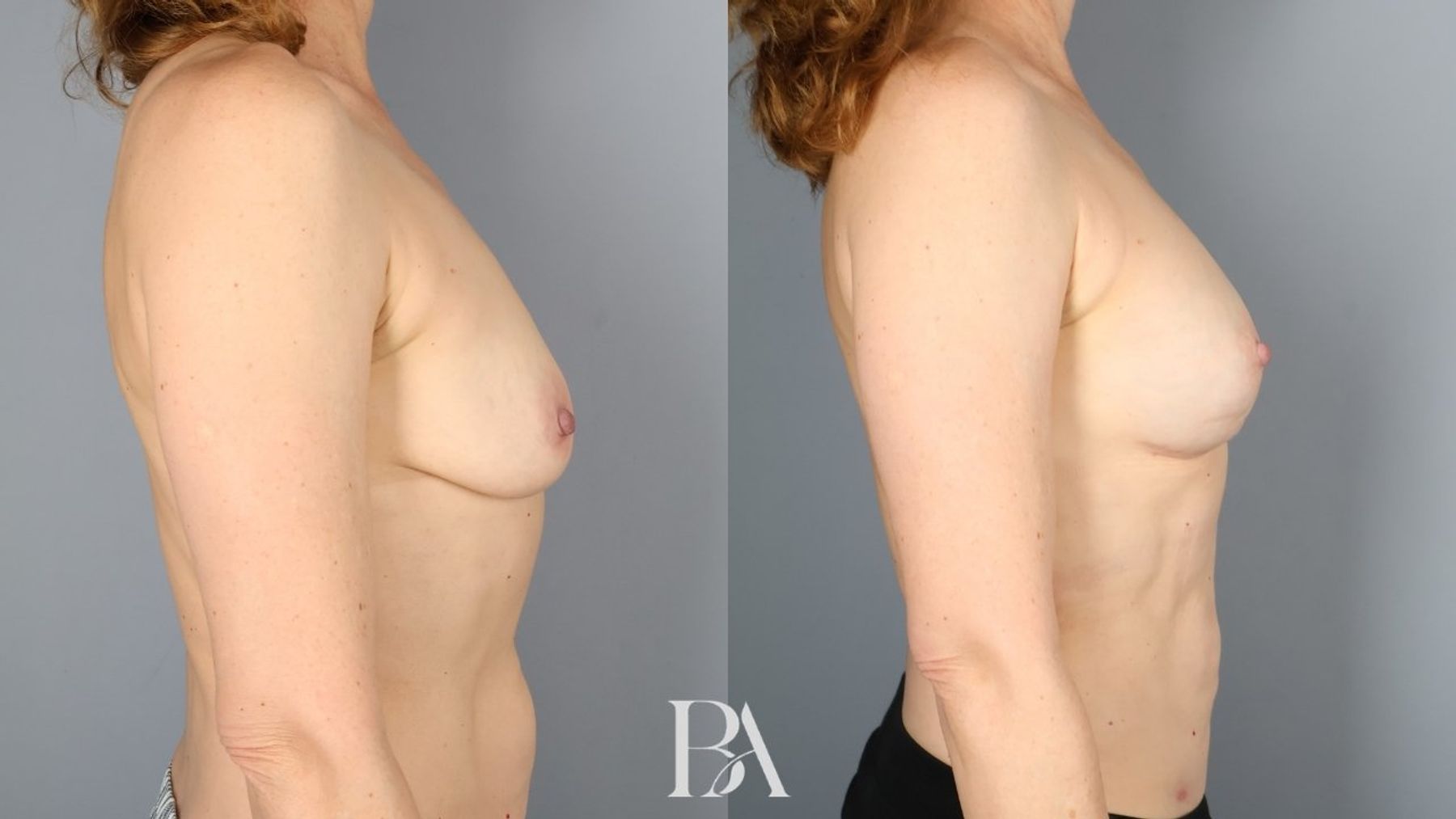
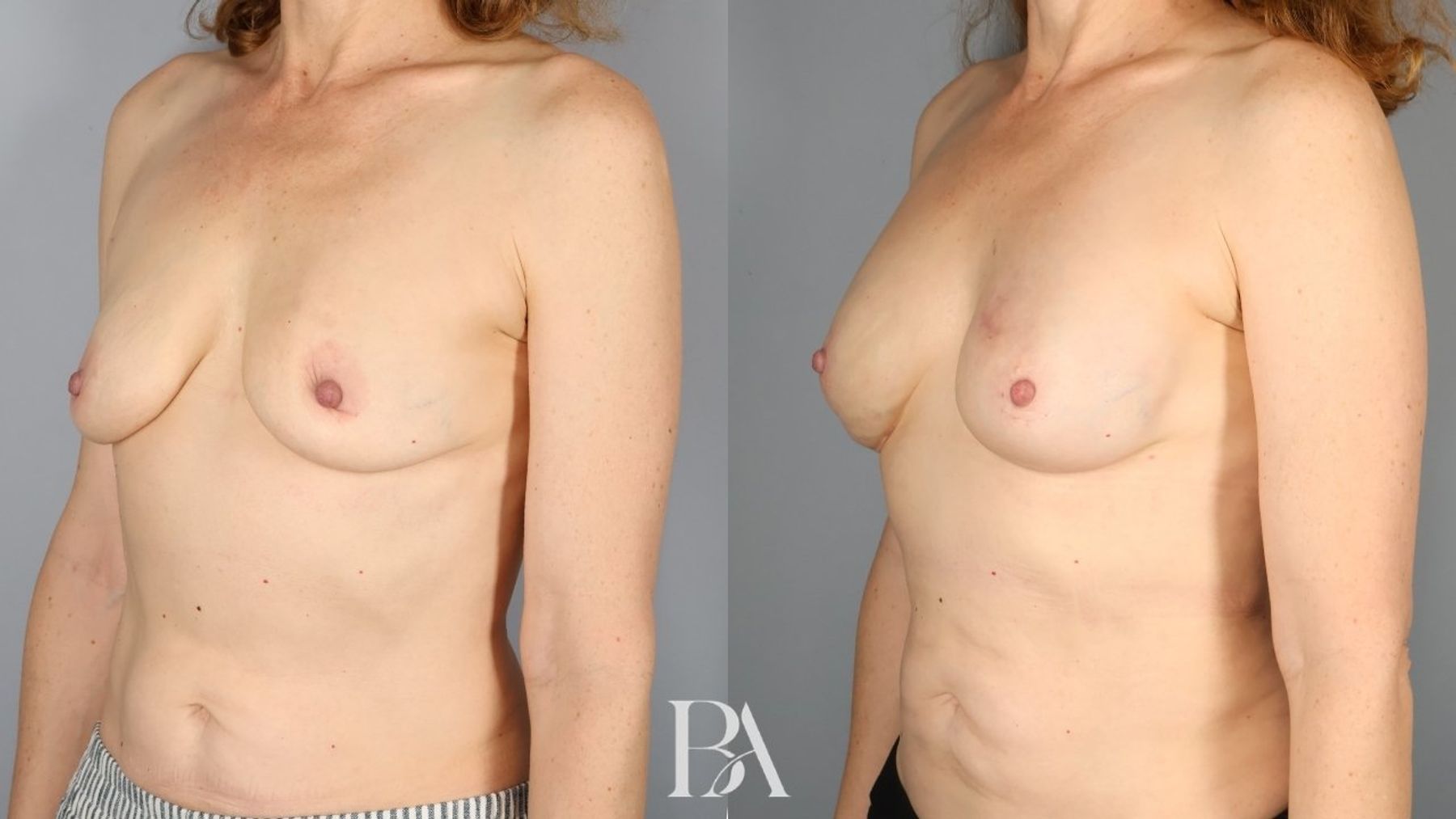
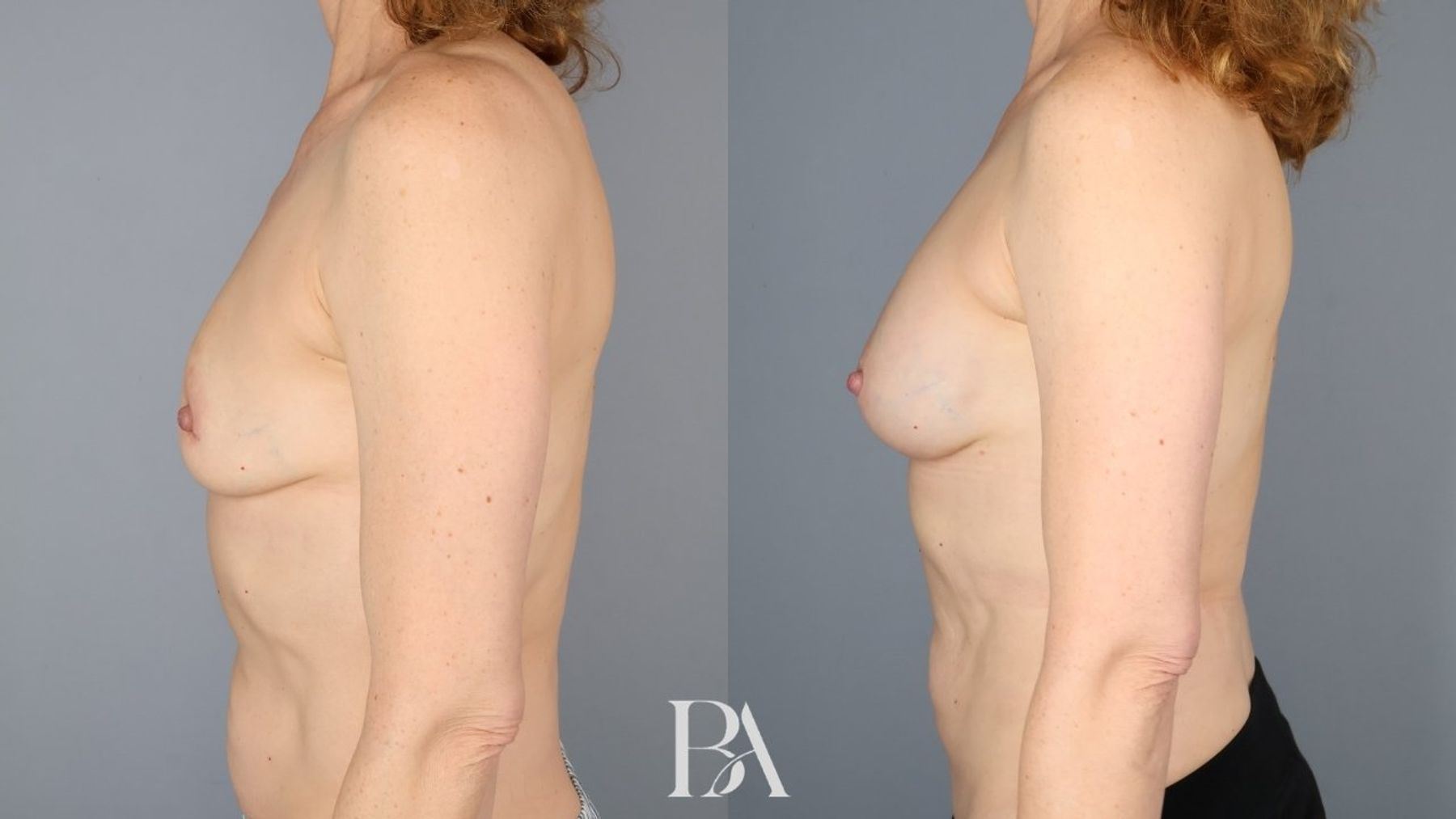
A woman in her 50s with a history of left breast cancer underwent bilateral nipple-sparing mastectomy with immediate direct-to-implant reconstruction.
A woman in her 50s with a history of left breast cancer underwent bilateral nipple-sparing mastectomy. Dr. Azadgoli performed same-stage reconstruction with 275cc moderate-profile silicone implants placed in the prepectoral plane, above the muscle. Six months later, a round of fat grafting was done to address rippling.
Why this approach
The decisions that shaped this surgical plan.
- Oncology and reconstruction planned together rather than in sequence — the mastectomy pattern was selected to leave the best possible foundation for the reconstructive technique that followed.
- Both sides treated in the same session — symmetric planning, identical tissue handling, and matched final contour are easier to achieve in one operative window than in two.
- A nipple-sparing mastectomy preserves the native breast envelope and supports a more direct reconstruction with reduced visible scarring.
- Fat grafting added to the primary procedure to address a specific finding identified during planning.
- Fat grafting used for refinement after the structural step — the donor site was selected for contour benefit as well as graft yield.
Pre-op preparation
What to do before surgery. Specific to this case.
- Stop NSAIDs, aspirin, and high-dose fish oil two weeks before surgery; the surgical team provides a full medication list at the pre-op visit.
- Nicotine in any form — cigarettes, vapes, patches, gum — paused six weeks before and six weeks after surgery. Nicotine narrows blood vessels and slows wound healing.
- Front-closing clothing only for 3 weeks. Drain holders and supportive surgical bras are issued at discharge.
- A driver is required the day of surgery and a responsible adult should stay with you the first 24 hours.
- Surgical date confirmed against oncology pathway. Imaging and pathology results are reconciled by the team at the pre-op visit.
- Donor site (typically abdomen or flanks) is reviewed and marked at the pre-op visit. Skincare and weight stability through the donor area matter for graft take.
Recovery timeline
Milestones specific to this case. Individual recovery varies.
- Day 1–7
Drain care, low-lift movement, and rest through the first week. Nerve blocks (Exparel) cover the worst of the pain through day 3.
- Week 2
Drains typically come out toward the end of the week. Suture lines are inspected; lymphatic drainage begins once approved.
- Week 4
Most patients back to gym cardio at 50 percent intensity. Scar massage protocol begins. Driving restored if not already.
- Week 6
The "back to normal" week for most patients. Final compression schedule transitions to optional.
- Month 3
Coordinated oncology and surgical check-in. Reconstruction shape and feel begin to mature.
- Month 6
Mature result. Patients commonly schedule the final phase of staged reconstruction here.
Continued care
Recommended aftercare, skincare, and MedSpa services for Direct-to-Implant Reconstruction.
- Compression bra continuously for 6 weeks
- Drain care taught before discharge; removed when output is low (typically 1–2 weeks)
- Sleep elevated on your back for 2 weeks
- No lifting above 10 lb for the first 3 weeks
- Follow-up imaging coordinated with the oncology team
- Medical-grade silicone sheeting on the mastectomy incision
- SkinCeuticals C E Ferulic for scar healing
- SPF 50+ on incisions for 12 months
- Priority lymphatic drainage starting week 1
- LED light therapy weekly for the first 8 weeks
- Fractional laser for scar refinement after 3 months
- Aftercare
Extended hyperbaric oxygen course (10–15 sessions) to support bilateral healing.
Bilateral procedures heal more reliably with sustained HBOT.
- Coordination
Long-term surveillance imaging stays on the oncology pathway; our team coordinates timing with theirs.
Post-mastectomy patients stay on a long-term surveillance pathway.
- Aftercare
Lymphatic drainage prioritized at week 1 to limit post-axillary swelling.
Lymphatic disruption from axillary work makes early drainage more valuable.
- MedSpa
Tissue-tightening protocol (fractional laser) postponed until month 6 on the reconstructed side.
Reconstructed tissue softens more slowly than primary breast surgery.
- Aftercare
Donor-site compression garment worn 4 weeks; skin warm-up before light cardio at week 3.
Donor sites benefit from sustained compression and a slow activity ramp.