Case #1204
SWIM Flap Reconstruction
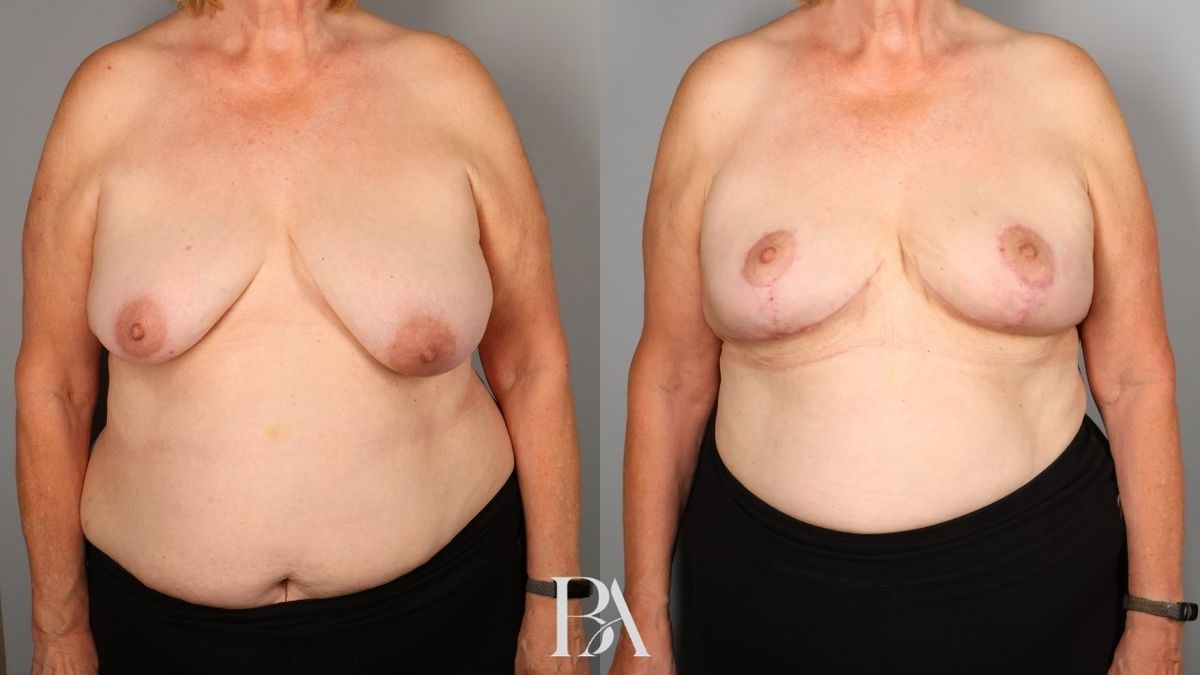
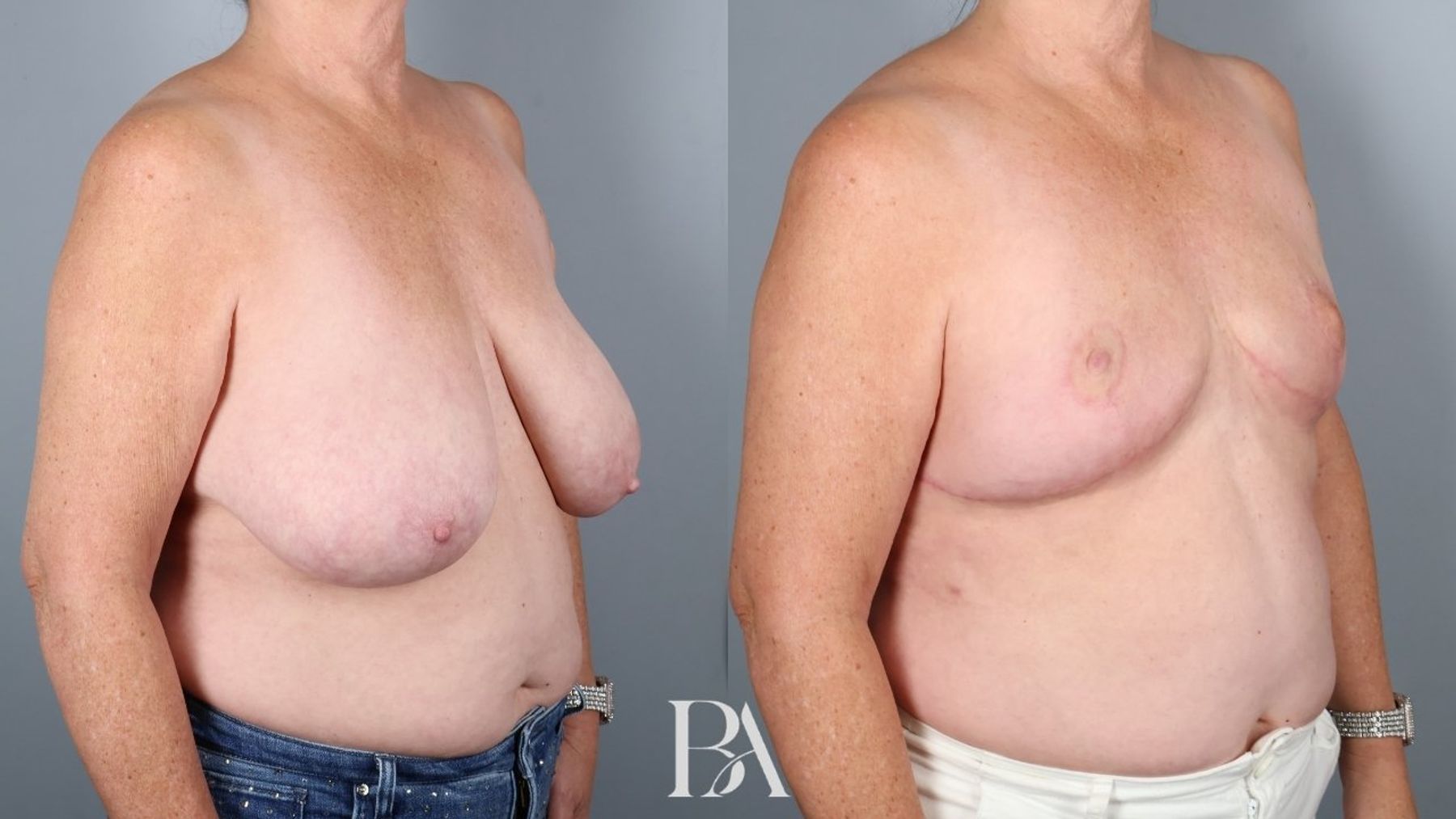
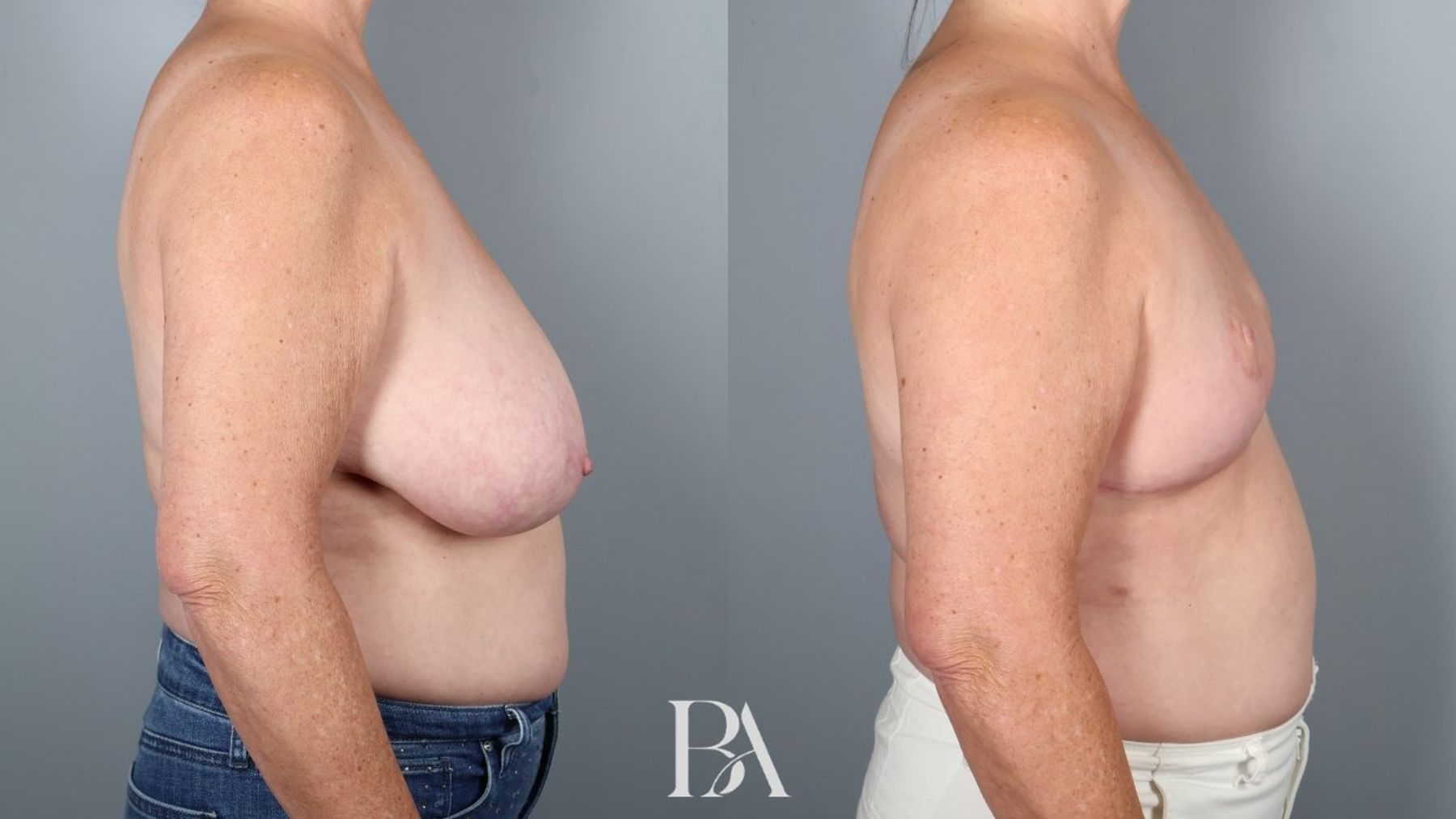
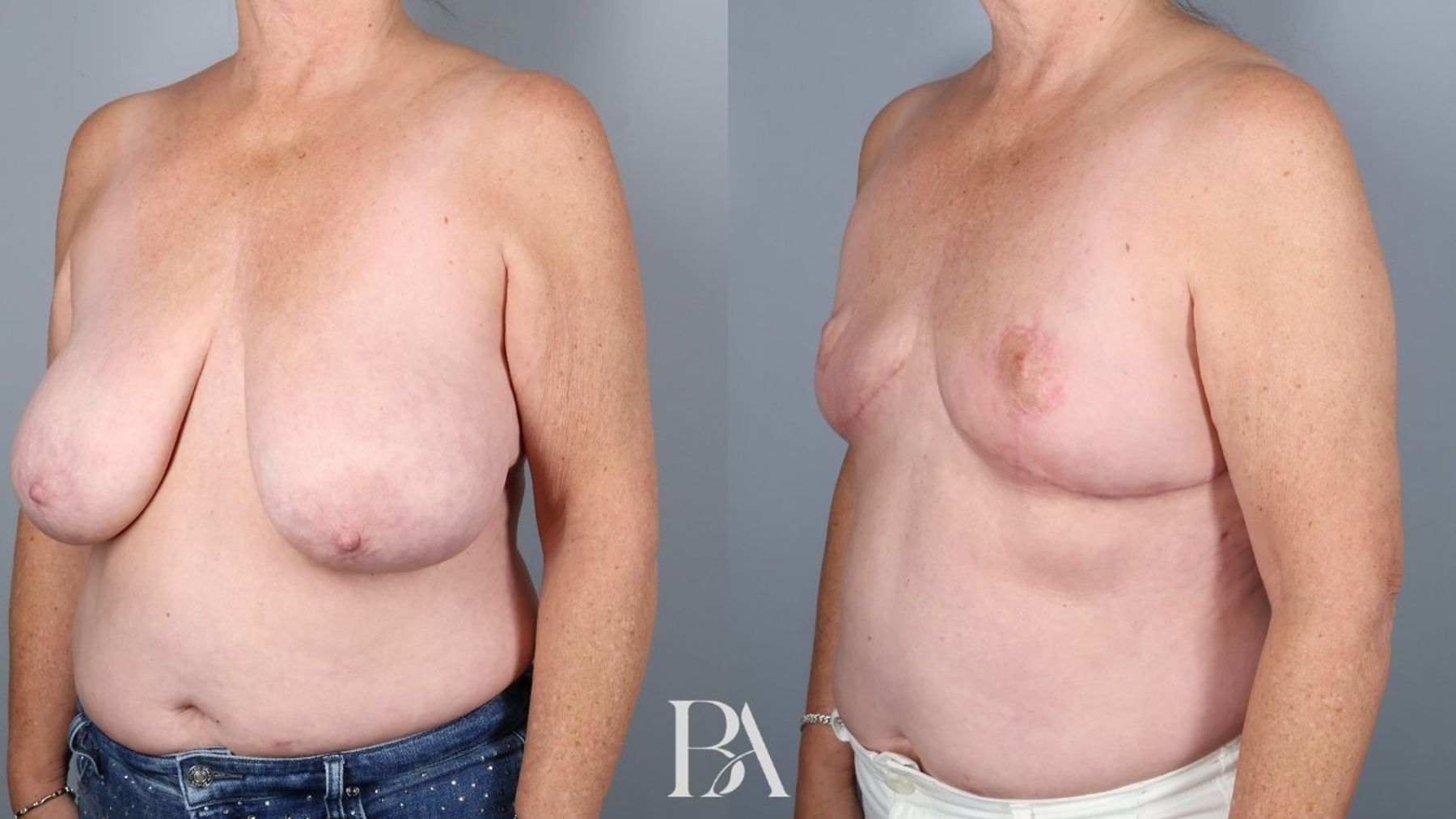
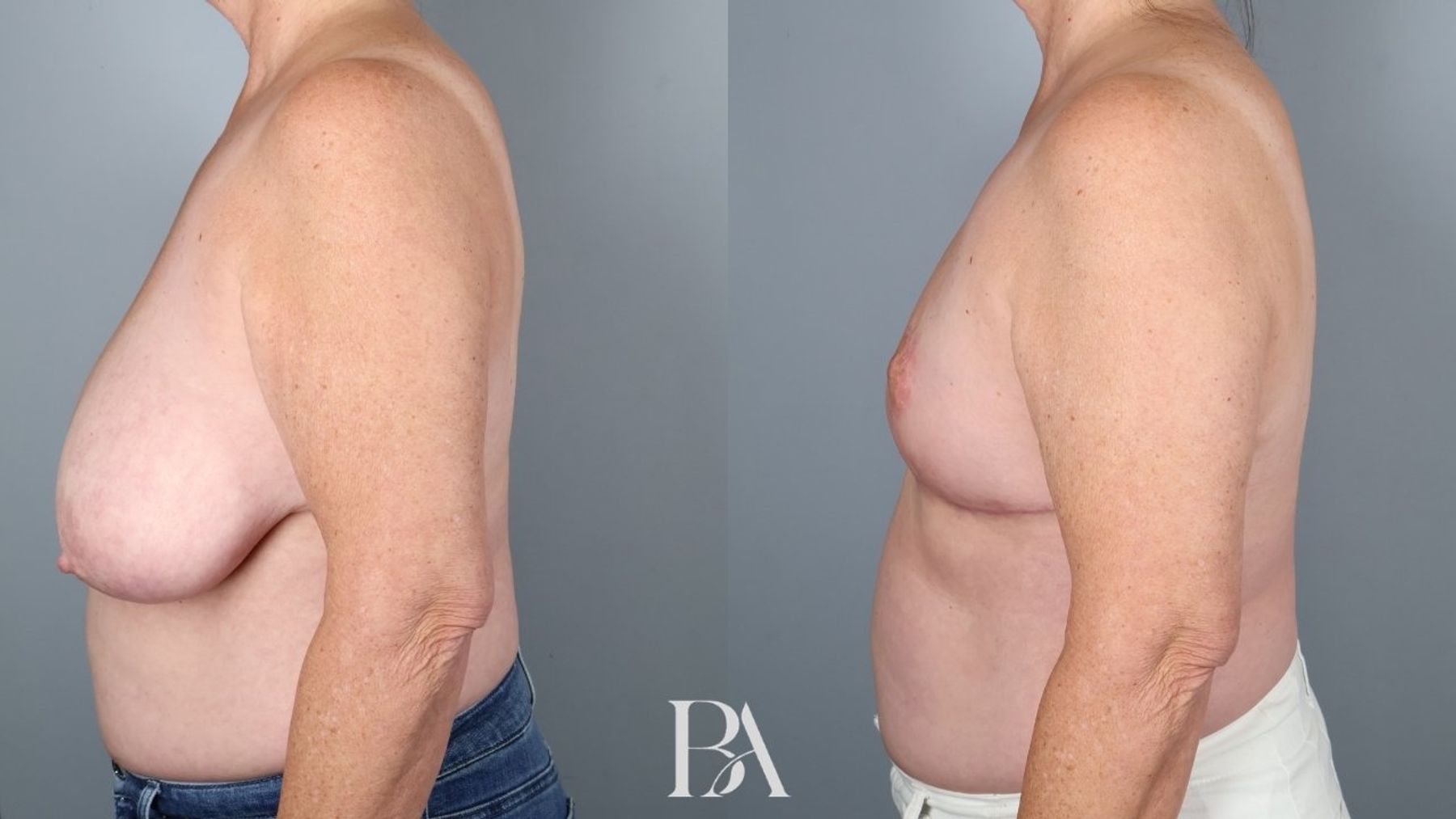
63-year-old female with large breasts and BRCA mutation. She elected to undergo prophylactic mastectomy but was not interested in implant-based or free flap reconstruction. At the time of her mastectomy, Dr. Azadgoli reconstructed small breasts using her remaining tissue (SWIM fl
63-year-old female with large breasts and BRCA mutation. She elected to undergo prophylactic mastectomy but was not interested in implant-based or free flap reconstruction. At the time of her mastectomy, Dr. Azadgoli reconstructed small breasts using her remaining tissue (SWIM flaps).
Why this approach
The decisions that shaped this surgical plan.
- Reconstruction planned around the oncologic mastectomy — surgical timing, tissue preservation, and incision pattern were chosen to support both safe cancer clearance and long-term aesthetic outcome.
- Goldilocks technique reflects what the oncologic team and surgical plan determined was safe; it sets up a cleaner reconstructive result.
Pre-op preparation
What to do before surgery. Specific to this case.
- Stop NSAIDs, aspirin, and high-dose fish oil two weeks before surgery; the surgical team provides a full medication list at the pre-op visit.
- No nicotine for 6 weeks before through 6 weeks after surgery. The vascular impact directly affects skin healing.
- No overhead clothing for 3 weeks. Stock front-zip tops, supportive sports bras (post-clearance), and the drain pouches we provide.
- Day-of transport and an overnight companion (24 hours minimum) are required for discharge.
- Surgical date confirmed against oncology pathway. Imaging and pathology results are reconciled by the team at the pre-op visit.
- Medical clearance and a current EKG are obtained pre-op. Anesthesia review confirms any chronic-condition adjustments.
Recovery timeline
Milestones specific to this case. Individual recovery varies.
- Day 1–7
First week prioritizes drain care, walking short distances, and avoiding any overhead reaching. Multi-modal pain control keeps narcotic use brief.
- Week 2
Drains typically come out toward the end of the week. Suture lines are inspected; lymphatic drainage begins once approved.
- Week 4
Activity ramps slower than average. PT check-in at week 4 anchors the next phase.
- Week 6
Most physical restrictions lift. Return to strength training, full-impact cardio, and overhead lifting.
- Month 3
Oncology follow-up timed with the surgical check. Tissue settled enough to assess reconstruction symmetry.
- Month 6
Reconstruction or combo result reaches its mature appearance. Any planned refinement step is timed for this window.
Continued care
Recommended aftercare, skincare, and MedSpa services for SWIM Flap Reconstruction.
- Coordination
Long-term surveillance imaging stays on the oncology pathway; our team coordinates timing with theirs.
Post-mastectomy patients stay on a long-term surveillance pathway.
- Aftercare
Early lymphatic massage protocol initiated in the first week of recovery.
Lymphatic disruption from axillary work makes early drainage more valuable.
- Coordination
BRCA pathway includes genetic counseling check-in for family planning and surveillance.
BRCA+ patients benefit from coordinated long-term risk planning.
- Aftercare
Activity progression coordinated with PT — formal check-in scheduled for week 4.
Older patients benefit from a guided return-to-activity plan.
- MedSpa
Tissue-tightening protocol (fractional laser) postponed until month 6 on the reconstructed side.
Reconstructed tissue softens more slowly than primary breast surgery.